
'%3e%3cpath%20d='M21.97,16.783C18.592,14.338%2014.595,14.954%2012,17.1C11.344,16.628%2010.011,15.91%209.895,15.621C9.48,14.59%207.341,14.568%207.01,14.882C6.812,15.07%206.83,15.344%206.553,15.331C4.832,15.252%203.708,15.794%201.993,16.774'%20style='fill:none;fill-rule:nonzero;stroke:%2310b981;stroke-width:1.14px;'/%3e%3c/g%3e%3cg%20transform='matrix(1,0,0,2.04091,-14.1682,-22.4853)'%3e%3cpath%20d='M15.074,18.836L15.074,17.423'%20style='fill:none;stroke:%2310b981;stroke-width:0.62px;stroke-linecap:square;stroke-miterlimit:1.5;'/%3e%3c/g%3e%3cg%20transform='matrix(1,0,0,2.04091,6.00754,-22.5274)'%3e%3cpath%20d='M15.074,18.863L15.074,17.423'%20style='fill:none;stroke:%2310b981;stroke-width:0.62px;stroke-linecap:square;stroke-miterlimit:1.5;'/%3e%3c/g%3e%3cg%20transform='matrix(1,0,0,1.10679,-1,-3.20585)'%3e%3cpath%20d='M2,5.5C5.5,3.5%209.5,4%2012,5.8C14.5,4%2018.5,3.5%2022,5.5L22,16.8C18.5,14.8%2014.5,15.3%2012,17.1C9.5,15.3%205.5,14.8%202,16.8L2,5.5Z'%20style='fill:none;fill-rule:nonzero;stroke:%236ee7b7;stroke-width:1.14px;'/%3e%3c/g%3e%3cg%20transform='matrix(1,0,0,1.026,-1,-2.90714)'%3e%3cpath%20d='M12,5.8L12,17.1'%20style='fill:none;fill-rule:nonzero;stroke:%236ee7b7;stroke-width:1.2px;'/%3e%3c/g%3e%3cg%20transform='matrix(0.868549,0,0,1.12022,1.58071,-2.86274)'%3e%3cpath%20d='M8,15.6L8,19.8L6.5,18.5L5,19.8L5,15.6'%20style='fill:none;fill-rule:nonzero;stroke:%236ee7b7;stroke-width:1.2px;'/%3e%3c/g%3e%3cg%20transform='matrix(1,0,0,1,-1,-3.75633)'%3e%3cpath%20d='M5,9C6.467,8.4%207.967,8.5%209.5,9.3'%20style='fill:none;fill-rule:nonzero;stroke:%236ee7b7;stroke-width:1.2px;'/%3e%3c/g%3e%3cg%20transform='matrix(1,0,0,1,-1,-3.75633)'%3e%3cpath%20d='M5,12C6.333,11.467%208.119,11.635%209.119,12.235'%20style='fill:none;fill-rule:nonzero;stroke:%236ee7b7;stroke-width:1.2px;'/%3e%3c/g%3e%3cg%20transform='matrix(0.988254,-0.152823,0.152823,0.988254,6.85356,-2.53705)'%3e%3cpath%20d='M5,12C6.333,11.467%208.119,11.635%209.119,12.235'%20style='fill:none;fill-rule:nonzero;stroke:%236ee7b7;stroke-width:1.2px;'/%3e%3c/g%3e%3cg%20transform='matrix(1,0,0,1,-1,-3.75633)'%3e%3cpath%20d='M14.5,9.3C16.033,8.5%2017.533,8.4%2019,9'%20style='fill:none;fill-rule:nonzero;stroke:%236ee7b7;stroke-width:1.2px;'/%3e%3c/g%3e%3cg%20transform='matrix(1,0,0,1,-1,2.24367)'%3e%3cpath%20d='M5,9C6.467,8.4%207.967,8.5%209.5,9.3'%20style='fill:none;fill-rule:nonzero;stroke:%236ee7b7;stroke-width:1.2px;'/%3e%3c/g%3e%3cg%20transform='matrix(0.999988,0.00496871,-0.00496871,0.999988,-0.955288,2.16055)'%3e%3cpath%20d='M14.5,9.3C16.033,8.5%2017.533,8.4%2019,9'%20style='fill:none;fill-rule:nonzero;stroke:%236ee7b7;stroke-width:1.2px;'/%3e%3c/g%3e%3c/svg%3e)
توضیح
وسط بازی بدون وزیر موقعیتی است که وزیرها تعویض شدهاند، اما ویژگیهای اصلی باقی ماندهاند: چند رخ، فیل یا اسب فعال، ساختارهای پیچیده پیاده، تنش مرکزی و امکانهای تاکتیکی. حذف نیرومندترین مهره بسیاری از تهدیدهای مات را کاهش میدهد، اما موقعیت را خودکار به پایان بازی تبدیل نمیکند . با نحوه عملکرد مهرههای باقیمانده، شاهها و پیادهها شناخته میشود، نه با نبود یک مهره خاص.
امنیت شاه همچنان اهمیت دارد. بدون وزیرها، شاه اغلب میتواند زودتر در بازی شرکت کند، اما بازکردن پوشش آن یا فرستادنش به مرکز ممکن است تا وقتی رخها و مهرههای سبک، یعنی فیلها و اسبها، خطوط حمله دارند زودهنگام باشد. حمله به پیادههای ضعیف، آچمزها، نفوذ در ستونهای باز و قربانیهای تاکتیکی نیز میتوانند تعیینکننده بمانند.
فعالیت و خطر بدون وزیرها




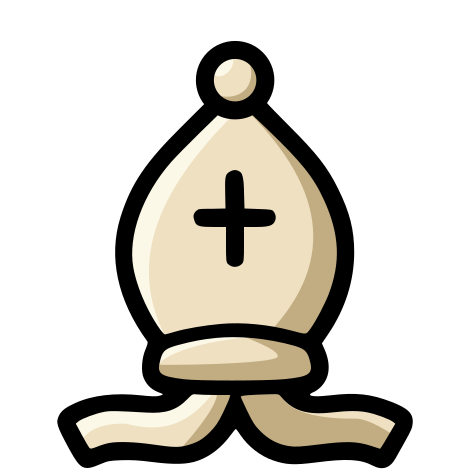
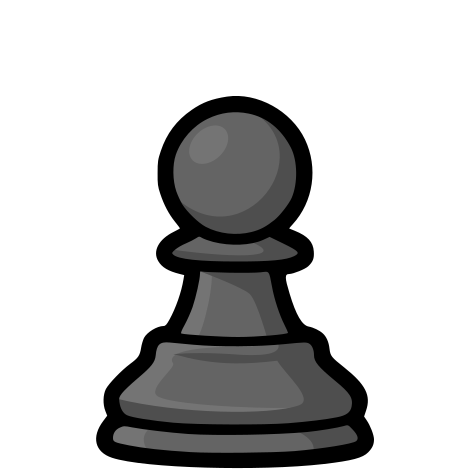

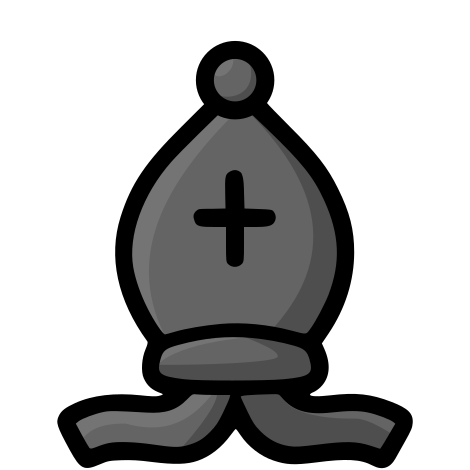
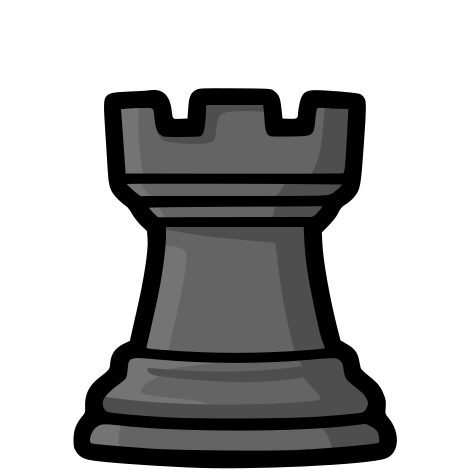

ستون e همچنان تاکتیکی است
وزیرها از صفحه خارج شدهاند، اما سه رخ، هشت مهرهٔ سبک و تنش میان و ساختاری پیچیده را حفظ کردهاند. رخ سفید در کیش میدهد و اسب و فیل در پاسخهای مشخص پیرامون شاه سیاه نقش دارند.
چگونه آن را تشخیص دهیم
- مهرههای قابلتوجهی باقی ماندهاند و چند مهره میتوانند علیه شاه یا یک ضعف هماهنگ شوند.
- طرحها به فعالیت، فضا، شکستهای پیادهای و کنترل خطوط وابستهاند، نه فقط به ترفیع یک پیاده.
- شاهها پیش از پیشروی همچنان باید میزان قرارگرفتن خود در معرض حمله را بسنجند.
- یک تعویض دیگر از رخها یا مهرههای سبک ممکن است واقعاً موقعیت را به پایان بازی تبدیل کند.
این طبقهبندی کارکردی است، نه ریاضی. تعداد رسمیای از مهرهها برای جداسازی دو مرحله وجود ندارد. بهجای تصمیمگیری صرفاً بر اساس ناپدیدشدن وزیرها، باید پرسید چه طرحها و خطرهایی بر موقعیت حاکماند.
مهرههای اندک، اولویتهای متفاوت
شاهها، خانههای ورود و ترفیع
فقط شاهها و یک پیاده برای هر طرف باقی ماندهاند. شاه سفید در از مسیر پیادهٔ پشتیبانی میکند و شاه سیاه در خانههای ورود را کنترل میکند. هماهنگی حمله با محاسبهٔ شاه، پیاده و ترفیع جایگزین شده است.
اشتباههای رایج
نبود وزیر یعنی پایان بازی
تعویض وزیرها بعضی حملهها را کاهش میدهد، اما مهرههای باقیمانده، فعالیت و امنیت شاه تعیین میکنند موقعیت چگونه عمل کند.
منابع
- 1.Endgame or Middlegame?, Chess.com
- 2.Exchanging the queens, ChessBase