
'%3e%3cpath%20d='M21.97,16.783C18.592,14.338%2014.595,14.954%2012,17.1C11.344,16.628%2010.011,15.91%209.895,15.621C9.48,14.59%207.341,14.568%207.01,14.882C6.812,15.07%206.83,15.344%206.553,15.331C4.832,15.252%203.708,15.794%201.993,16.774'%20style='fill:none;fill-rule:nonzero;stroke:%2310b981;stroke-width:1.14px;'/%3e%3c/g%3e%3cg%20transform='matrix(1,0,0,2.04091,-14.1682,-22.4853)'%3e%3cpath%20d='M15.074,18.836L15.074,17.423'%20style='fill:none;stroke:%2310b981;stroke-width:0.62px;stroke-linecap:square;stroke-miterlimit:1.5;'/%3e%3c/g%3e%3cg%20transform='matrix(1,0,0,2.04091,6.00754,-22.5274)'%3e%3cpath%20d='M15.074,18.863L15.074,17.423'%20style='fill:none;stroke:%2310b981;stroke-width:0.62px;stroke-linecap:square;stroke-miterlimit:1.5;'/%3e%3c/g%3e%3cg%20transform='matrix(1,0,0,1.10679,-1,-3.20585)'%3e%3cpath%20d='M2,5.5C5.5,3.5%209.5,4%2012,5.8C14.5,4%2018.5,3.5%2022,5.5L22,16.8C18.5,14.8%2014.5,15.3%2012,17.1C9.5,15.3%205.5,14.8%202,16.8L2,5.5Z'%20style='fill:none;fill-rule:nonzero;stroke:%236ee7b7;stroke-width:1.14px;'/%3e%3c/g%3e%3cg%20transform='matrix(1,0,0,1.026,-1,-2.90714)'%3e%3cpath%20d='M12,5.8L12,17.1'%20style='fill:none;fill-rule:nonzero;stroke:%236ee7b7;stroke-width:1.2px;'/%3e%3c/g%3e%3cg%20transform='matrix(0.868549,0,0,1.12022,1.58071,-2.86274)'%3e%3cpath%20d='M8,15.6L8,19.8L6.5,18.5L5,19.8L5,15.6'%20style='fill:none;fill-rule:nonzero;stroke:%236ee7b7;stroke-width:1.2px;'/%3e%3c/g%3e%3cg%20transform='matrix(1,0,0,1,-1,-3.75633)'%3e%3cpath%20d='M5,9C6.467,8.4%207.967,8.5%209.5,9.3'%20style='fill:none;fill-rule:nonzero;stroke:%236ee7b7;stroke-width:1.2px;'/%3e%3c/g%3e%3cg%20transform='matrix(1,0,0,1,-1,-3.75633)'%3e%3cpath%20d='M5,12C6.333,11.467%208.119,11.635%209.119,12.235'%20style='fill:none;fill-rule:nonzero;stroke:%236ee7b7;stroke-width:1.2px;'/%3e%3c/g%3e%3cg%20transform='matrix(0.988254,-0.152823,0.152823,0.988254,6.85356,-2.53705)'%3e%3cpath%20d='M5,12C6.333,11.467%208.119,11.635%209.119,12.235'%20style='fill:none;fill-rule:nonzero;stroke:%236ee7b7;stroke-width:1.2px;'/%3e%3c/g%3e%3cg%20transform='matrix(1,0,0,1,-1,-3.75633)'%3e%3cpath%20d='M14.5,9.3C16.033,8.5%2017.533,8.4%2019,9'%20style='fill:none;fill-rule:nonzero;stroke:%236ee7b7;stroke-width:1.2px;'/%3e%3c/g%3e%3cg%20transform='matrix(1,0,0,1,-1,2.24367)'%3e%3cpath%20d='M5,9C6.467,8.4%207.967,8.5%209.5,9.3'%20style='fill:none;fill-rule:nonzero;stroke:%236ee7b7;stroke-width:1.2px;'/%3e%3c/g%3e%3cg%20transform='matrix(0.999988,0.00496871,-0.00496871,0.999988,-0.955288,2.16055)'%3e%3cpath%20d='M14.5,9.3C16.033,8.5%2017.533,8.4%2019,9'%20style='fill:none;fill-rule:nonzero;stroke:%236ee7b7;stroke-width:1.2px;'/%3e%3c/g%3e%3c/svg%3e)
توضیح
حمله دوگانه زمانی رخ میدهد که یک حرکت دو تهدید همزمان بسازد. قدرت آن از این میآید که پاسخ معمول فقط یکی را حل میکند و دیگری به بردن ماتریال، مات، ترفیع پیاده یا دستاورد مشخص دیگری میانجامد.
تهدیدها لازم نیست حمله مستقیم یک مهره باشند. وزیر میتواند کیش بدهد و همزمان به رخ حمله کند، پیاده میتواند ترفیع و گرفتن مهره را تهدید کند، یا مهرهای با تهدید خود حرکت کند و حمله مهره دیگری را آشکار سازد. شکل آخر با مرتبط است.
فیل حرکت میکند و رخ بیدار میشود
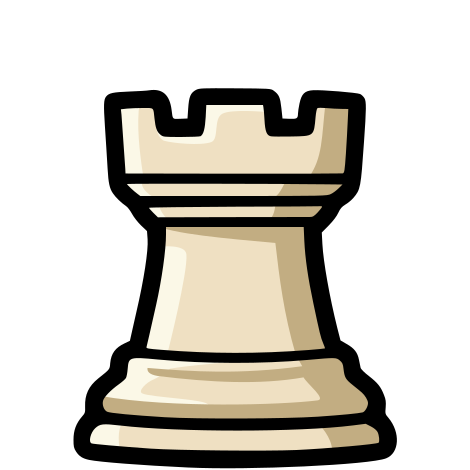

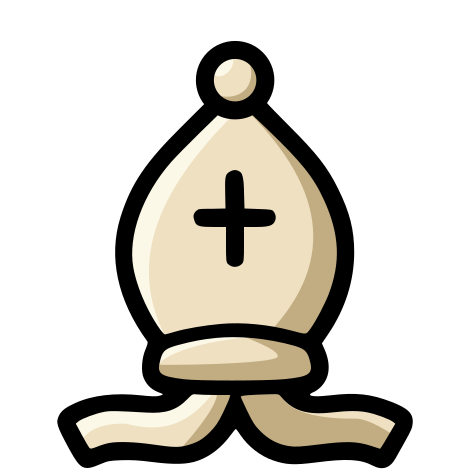



پیش از حمله دوگانه
فیل مسیر رخ به وزیر را میبندد. شاه سیاه نیز در کیش نیست، پس هنوز هیچیک از دو تهدید وجود ندارد.
نوعی حمله دوگانه است که یک مهره مستقیماً به دو یا چند هدف حمله میکند. هر چنگال چند حمله میسازد، اما حمله دوگانه گستردهتر است، زیرا یک تهدید میتواند غیرمستقیم باشد، مانند مات در حرکت بعد.
هر حمله دوگانهای برنده نیست. مدافع شاید حرکتی بیابد که به هر دو تهدید پاسخ دهد، مانند حرکت همراه با کیش، گرفتن مهاجم، بستن یک خط همراه با دفاع از هدف دوم یا ساختن تهدیدی فوریتر. محاسبه باید تا رد شدن چنین دفاع چندمنظورهای ادامه یابد.
اشتباههای رایج
حمله دوگانه و چنگال
چنگال با یک مهره مستقیماً به چند هدف حمله میکند. حمله دوگانه میتواند تهدیدهای مهرههای مختلف یا تهدیدی غیرمستقیم را نیز ترکیب کند.
مشاهده اصطلاحدو مهره مورد حمله
لازم نیست دو مهره مورد حمله باشند. یک تهدید میتواند مات، ترفیع، بردن وزیر یا نتیجه مشخص دیگری باشد.
منابع
- 1.Double Attack, Chess.com
- 2.Fork in Chess, Chess.com
- 3.Discovered Attack, Chess.com