
'%3e%3cpath%20d='M21.97,16.783C18.592,14.338%2014.595,14.954%2012,17.1C11.344,16.628%2010.011,15.91%209.895,15.621C9.48,14.59%207.341,14.568%207.01,14.882C6.812,15.07%206.83,15.344%206.553,15.331C4.832,15.252%203.708,15.794%201.993,16.774'%20style='fill:none;fill-rule:nonzero;stroke:%2310b981;stroke-width:1.14px;'/%3e%3c/g%3e%3cg%20transform='matrix(1,0,0,2.04091,-14.1682,-22.4853)'%3e%3cpath%20d='M15.074,18.836L15.074,17.423'%20style='fill:none;stroke:%2310b981;stroke-width:0.62px;stroke-linecap:square;stroke-miterlimit:1.5;'/%3e%3c/g%3e%3cg%20transform='matrix(1,0,0,2.04091,6.00754,-22.5274)'%3e%3cpath%20d='M15.074,18.863L15.074,17.423'%20style='fill:none;stroke:%2310b981;stroke-width:0.62px;stroke-linecap:square;stroke-miterlimit:1.5;'/%3e%3c/g%3e%3cg%20transform='matrix(1,0,0,1.10679,-1,-3.20585)'%3e%3cpath%20d='M2,5.5C5.5,3.5%209.5,4%2012,5.8C14.5,4%2018.5,3.5%2022,5.5L22,16.8C18.5,14.8%2014.5,15.3%2012,17.1C9.5,15.3%205.5,14.8%202,16.8L2,5.5Z'%20style='fill:none;fill-rule:nonzero;stroke:%236ee7b7;stroke-width:1.14px;'/%3e%3c/g%3e%3cg%20transform='matrix(1,0,0,1.026,-1,-2.90714)'%3e%3cpath%20d='M12,5.8L12,17.1'%20style='fill:none;fill-rule:nonzero;stroke:%236ee7b7;stroke-width:1.2px;'/%3e%3c/g%3e%3cg%20transform='matrix(0.868549,0,0,1.12022,1.58071,-2.86274)'%3e%3cpath%20d='M8,15.6L8,19.8L6.5,18.5L5,19.8L5,15.6'%20style='fill:none;fill-rule:nonzero;stroke:%236ee7b7;stroke-width:1.2px;'/%3e%3c/g%3e%3cg%20transform='matrix(1,0,0,1,-1,-3.75633)'%3e%3cpath%20d='M5,9C6.467,8.4%207.967,8.5%209.5,9.3'%20style='fill:none;fill-rule:nonzero;stroke:%236ee7b7;stroke-width:1.2px;'/%3e%3c/g%3e%3cg%20transform='matrix(1,0,0,1,-1,-3.75633)'%3e%3cpath%20d='M5,12C6.333,11.467%208.119,11.635%209.119,12.235'%20style='fill:none;fill-rule:nonzero;stroke:%236ee7b7;stroke-width:1.2px;'/%3e%3c/g%3e%3cg%20transform='matrix(0.988254,-0.152823,0.152823,0.988254,6.85356,-2.53705)'%3e%3cpath%20d='M5,12C6.333,11.467%208.119,11.635%209.119,12.235'%20style='fill:none;fill-rule:nonzero;stroke:%236ee7b7;stroke-width:1.2px;'/%3e%3c/g%3e%3cg%20transform='matrix(1,0,0,1,-1,-3.75633)'%3e%3cpath%20d='M14.5,9.3C16.033,8.5%2017.533,8.4%2019,9'%20style='fill:none;fill-rule:nonzero;stroke:%236ee7b7;stroke-width:1.2px;'/%3e%3c/g%3e%3cg%20transform='matrix(1,0,0,1,-1,2.24367)'%3e%3cpath%20d='M5,9C6.467,8.4%207.967,8.5%209.5,9.3'%20style='fill:none;fill-rule:nonzero;stroke:%236ee7b7;stroke-width:1.2px;'/%3e%3c/g%3e%3cg%20transform='matrix(0.999988,0.00496871,-0.00496871,0.999988,-0.955288,2.16055)'%3e%3cpath%20d='M14.5,9.3C16.033,8.5%2017.533,8.4%2019,9'%20style='fill:none;fill-rule:nonzero;stroke:%236ee7b7;stroke-width:1.2px;'/%3e%3c/g%3e%3c/svg%3e)
توضیح
مهره آویزان مهرهای است که حریف میتواند همان لحظه آن را بگیرد و سود مادی خالص به دست آورد، یعنی دنباله با بردن پیادهها یا مهرههایی ارزشمندتر از آنچه از دست رفته پایان یابد. این مهره معمولاً بدون دفاع است یا محافظت مؤثرش از تعداد حملهها کمتر است. اصطلاح فرانسوی en prise معنایی بسیار نزدیک دارد: زیر حمله و آماده یک گرفتن سودآور.
فیل یک وزیر بیدفاع را میزند
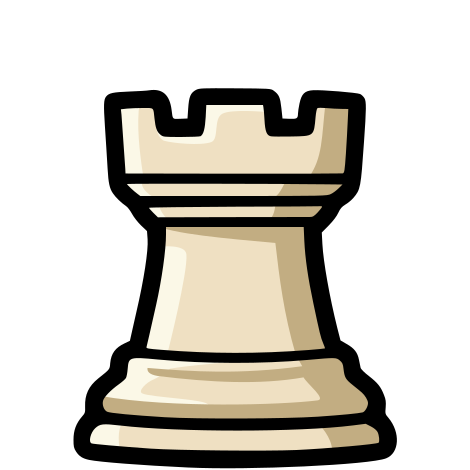

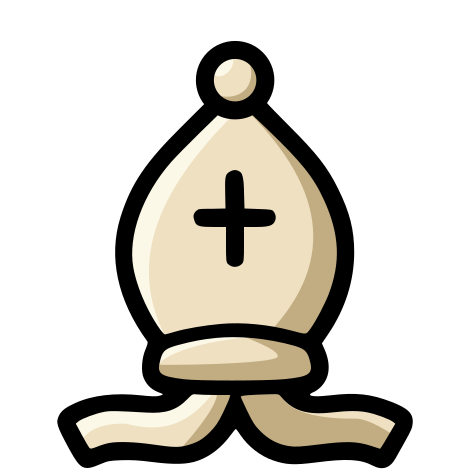

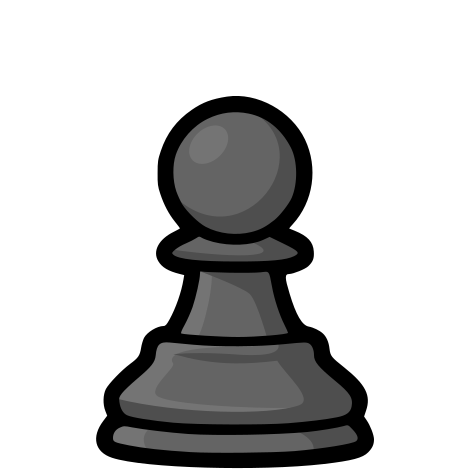

وزیر روی قطر باز است
فیل به وزیر حمله میکند. هیچ مهره سیاهی از دفاع نمیکند یا نمیتواند آنجا پس بگیرد.
شمردن مهاجمان و مدافعان شروع مفیدی است، اما کافی نیست. ممکن است مدافعی مانند حالت آچمز باشد، وظیفه دیگری بیشازحد بر دوشش قرار داشته باشد یا نتواند پس بگیرد، زیرا حرکتش شاه را آشکار میکند. همچنین یک گرفتن ظاهراً رایگان ممکن است شکست بخورد اگر مات، تهدید متقابل قویتر یا تاکتیکی علیه مهره گیرنده را ممکن سازد.
رخ مدافع نمیتواند ستون را ترک کند
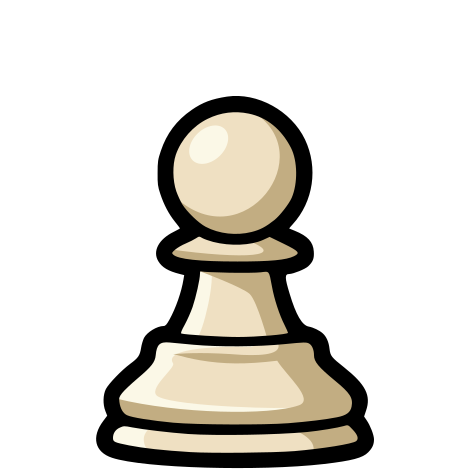
وزیر ظاهراً دفاع شده است
فیل به وزیر حمله میکند. رخ نیز را پوشش میدهد، اما میان رخ سفید و شاه سیاه قرار دارد.
پیش از گرفتن بررسی کن
- همه گرفتنها و پسگرفتنهای ممکن روی خانه را فهرست کن.
- بررسی کن هر مدافع واقعاً میتواند بهطور قانونی حرکت کند.
- پیش از پسگرفتن مورد انتظار، بهدنبال کیشها، گرفتنها و میانی بگرد.
- موقعیت را در پایان دنباله ارزیابی کن، نه پس از نخستین گرفتن.
مهره بدون دفاع لزوماً آویزان نیست، اگر هیچ گرفتن سودآوری وجود نداشته باشد. برعکس، مهرهای دفاعشده میتواند آویزان باشد، وقتی دفاعش ناکافی یا از نظر تاکتیکی صوری است. وقتی یکی از مهرههای خودت آویزان است، بهترین ممکن است آن را جابهجا، دفاع یا تعویض کند، یا تهدیدی بسازد که مانع گرفتن شود.
اشتباههای رایج
مهره بدون دفاع
مهره بدون دفاع فقط زمانی آویزان است که حریف بتواند اکنون آن را با سود بگیرد. فاصله یا عوامل تاکتیکی ممکن است آن را امن نگه دارند.
منابع
- 1.Hanging Piece, Chess.com
- 2.En Prise, Chess.com
- 3.puzzleTheme.xml, Lichess