
'%3e%3cpath%20d='M21.97,16.783C18.592,14.338%2014.595,14.954%2012,17.1C11.344,16.628%2010.011,15.91%209.895,15.621C9.48,14.59%207.341,14.568%207.01,14.882C6.812,15.07%206.83,15.344%206.553,15.331C4.832,15.252%203.708,15.794%201.993,16.774'%20style='fill:none;fill-rule:nonzero;stroke:%2310b981;stroke-width:1.14px;'/%3e%3c/g%3e%3cg%20transform='matrix(1,0,0,2.04091,-14.1682,-22.4853)'%3e%3cpath%20d='M15.074,18.836L15.074,17.423'%20style='fill:none;stroke:%2310b981;stroke-width:0.62px;stroke-linecap:square;stroke-miterlimit:1.5;'/%3e%3c/g%3e%3cg%20transform='matrix(1,0,0,2.04091,6.00754,-22.5274)'%3e%3cpath%20d='M15.074,18.863L15.074,17.423'%20style='fill:none;stroke:%2310b981;stroke-width:0.62px;stroke-linecap:square;stroke-miterlimit:1.5;'/%3e%3c/g%3e%3cg%20transform='matrix(1,0,0,1.10679,-1,-3.20585)'%3e%3cpath%20d='M2,5.5C5.5,3.5%209.5,4%2012,5.8C14.5,4%2018.5,3.5%2022,5.5L22,16.8C18.5,14.8%2014.5,15.3%2012,17.1C9.5,15.3%205.5,14.8%202,16.8L2,5.5Z'%20style='fill:none;fill-rule:nonzero;stroke:%236ee7b7;stroke-width:1.14px;'/%3e%3c/g%3e%3cg%20transform='matrix(1,0,0,1.026,-1,-2.90714)'%3e%3cpath%20d='M12,5.8L12,17.1'%20style='fill:none;fill-rule:nonzero;stroke:%236ee7b7;stroke-width:1.2px;'/%3e%3c/g%3e%3cg%20transform='matrix(0.868549,0,0,1.12022,1.58071,-2.86274)'%3e%3cpath%20d='M8,15.6L8,19.8L6.5,18.5L5,19.8L5,15.6'%20style='fill:none;fill-rule:nonzero;stroke:%236ee7b7;stroke-width:1.2px;'/%3e%3c/g%3e%3cg%20transform='matrix(1,0,0,1,-1,-3.75633)'%3e%3cpath%20d='M5,9C6.467,8.4%207.967,8.5%209.5,9.3'%20style='fill:none;fill-rule:nonzero;stroke:%236ee7b7;stroke-width:1.2px;'/%3e%3c/g%3e%3cg%20transform='matrix(1,0,0,1,-1,-3.75633)'%3e%3cpath%20d='M5,12C6.333,11.467%208.119,11.635%209.119,12.235'%20style='fill:none;fill-rule:nonzero;stroke:%236ee7b7;stroke-width:1.2px;'/%3e%3c/g%3e%3cg%20transform='matrix(0.988254,-0.152823,0.152823,0.988254,6.85356,-2.53705)'%3e%3cpath%20d='M5,12C6.333,11.467%208.119,11.635%209.119,12.235'%20style='fill:none;fill-rule:nonzero;stroke:%236ee7b7;stroke-width:1.2px;'/%3e%3c/g%3e%3cg%20transform='matrix(1,0,0,1,-1,-3.75633)'%3e%3cpath%20d='M14.5,9.3C16.033,8.5%2017.533,8.4%2019,9'%20style='fill:none;fill-rule:nonzero;stroke:%236ee7b7;stroke-width:1.2px;'/%3e%3c/g%3e%3cg%20transform='matrix(1,0,0,1,-1,2.24367)'%3e%3cpath%20d='M5,9C6.467,8.4%207.967,8.5%209.5,9.3'%20style='fill:none;fill-rule:nonzero;stroke:%236ee7b7;stroke-width:1.2px;'/%3e%3c/g%3e%3cg%20transform='matrix(0.999988,0.00496871,-0.00496871,0.999988,-0.955288,2.16055)'%3e%3cpath%20d='M14.5,9.3C16.033,8.5%2017.533,8.4%2019,9'%20style='fill:none;fill-rule:nonzero;stroke:%236ee7b7;stroke-width:1.2px;'/%3e%3c/g%3e%3c/svg%3e)
توضیح
کیش یعنی شاه زیر حمله است و باید در حرکت بعد ایمن شود. وقتی رخ، فیل یا وزیر از فاصله کیش میدهد، حملهاش بدون پریدن از روی مهرهها در امتداد ردیف، ستون یا قطر پیش میرود. حائل کردن یعنی مهرهٔ خودی دیگری را به خانهای خالی میان مهاجم و شاه بردن تا آن خط قطع شود.
یک مهره خط کیش را قطع میکند

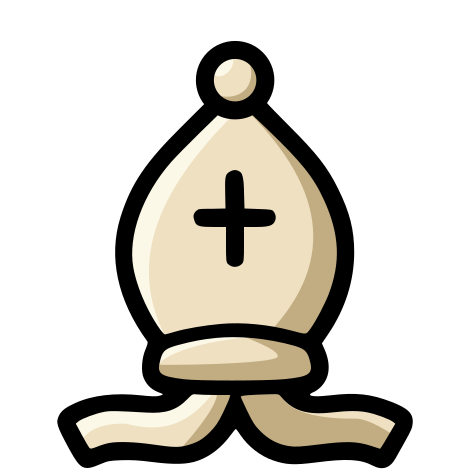

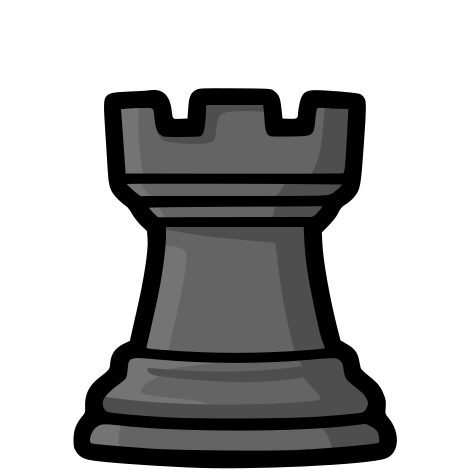
ستون e باز است
رخ سیاه از فاصله به شاه سفید حمله میکند و چند خانه خالی میان آنهاست.
سه پاسخ به یک کیش ساده
- شاه را به خانهای ببرید که زیر حمله نیست.
- مهرهٔ کیشدهنده را بگیرید، به شرط آنکه شاه پس از آن ایمن باشد.
- اگر کیش در امتداد یک خط وارد میشود و دستکم یک خانه میان مهاجم و شاه وجود دارد، مهرهای را حائل کنید.
در برابر کیش اسب، پیاده یا شاه نمیتوان حائل کرد، زیرا حملهٔ آنها در امتداد خطی قابل سد شدن حرکت نمیکند. همچنین اگر رخ، فیل یا وزیر از خانهٔ مجاور کیش بدهد، خانهای برای قرار دادن مهرهٔ حائل وجود ندارد.
حائل کردن در برابر نیز پاسخ نیست. سد کردن یک حمله، حملهٔ دیگر را فعال باقی میگذارد، پس شاه باید حرکت کند. در برابر یک کیش خطی از راه دور، مهرهٔ حائل میتواند زمان بخرد، حتی اگر طرف مهاجم بعداً بتواند آن را بگیرد.
اشتباههای رایج
هر کیشی را میتوان سد کرد
فقط کیش دوربرد رخ، فیل یا وزیر را میتوان سد کرد، آن هم زمانی که خانهای خالی میان مهرهٔ کیشدهنده و شاه وجود داشته باشد.
حائل کردن و قطع ارتباط یکساناند
حائل کردن در اینجا دفاع در برابر کیش است. قطع ارتباط تاکتیک گستردهتری است که هر خط میان دو مهره را قطع میکند، حتی اگر شاه درگیر نباشد.
منابع
- 1.FIDE Laws of Chess taking effect from 1 January 2023, FIDE
- 2.Chess King - Value and Movements, Chess.com