
'%3e%3cpath%20d='M21.97,16.783C18.592,14.338%2014.595,14.954%2012,17.1C11.344,16.628%2010.011,15.91%209.895,15.621C9.48,14.59%207.341,14.568%207.01,14.882C6.812,15.07%206.83,15.344%206.553,15.331C4.832,15.252%203.708,15.794%201.993,16.774'%20style='fill:none;fill-rule:nonzero;stroke:%2310b981;stroke-width:1.14px;'/%3e%3c/g%3e%3cg%20transform='matrix(1,0,0,2.04091,-14.1682,-22.4853)'%3e%3cpath%20d='M15.074,18.836L15.074,17.423'%20style='fill:none;stroke:%2310b981;stroke-width:0.62px;stroke-linecap:square;stroke-miterlimit:1.5;'/%3e%3c/g%3e%3cg%20transform='matrix(1,0,0,2.04091,6.00754,-22.5274)'%3e%3cpath%20d='M15.074,18.863L15.074,17.423'%20style='fill:none;stroke:%2310b981;stroke-width:0.62px;stroke-linecap:square;stroke-miterlimit:1.5;'/%3e%3c/g%3e%3cg%20transform='matrix(1,0,0,1.10679,-1,-3.20585)'%3e%3cpath%20d='M2,5.5C5.5,3.5%209.5,4%2012,5.8C14.5,4%2018.5,3.5%2022,5.5L22,16.8C18.5,14.8%2014.5,15.3%2012,17.1C9.5,15.3%205.5,14.8%202,16.8L2,5.5Z'%20style='fill:none;fill-rule:nonzero;stroke:%236ee7b7;stroke-width:1.14px;'/%3e%3c/g%3e%3cg%20transform='matrix(1,0,0,1.026,-1,-2.90714)'%3e%3cpath%20d='M12,5.8L12,17.1'%20style='fill:none;fill-rule:nonzero;stroke:%236ee7b7;stroke-width:1.2px;'/%3e%3c/g%3e%3cg%20transform='matrix(0.868549,0,0,1.12022,1.58071,-2.86274)'%3e%3cpath%20d='M8,15.6L8,19.8L6.5,18.5L5,19.8L5,15.6'%20style='fill:none;fill-rule:nonzero;stroke:%236ee7b7;stroke-width:1.2px;'/%3e%3c/g%3e%3cg%20transform='matrix(1,0,0,1,-1,-3.75633)'%3e%3cpath%20d='M5,9C6.467,8.4%207.967,8.5%209.5,9.3'%20style='fill:none;fill-rule:nonzero;stroke:%236ee7b7;stroke-width:1.2px;'/%3e%3c/g%3e%3cg%20transform='matrix(1,0,0,1,-1,-3.75633)'%3e%3cpath%20d='M5,12C6.333,11.467%208.119,11.635%209.119,12.235'%20style='fill:none;fill-rule:nonzero;stroke:%236ee7b7;stroke-width:1.2px;'/%3e%3c/g%3e%3cg%20transform='matrix(0.988254,-0.152823,0.152823,0.988254,6.85356,-2.53705)'%3e%3cpath%20d='M5,12C6.333,11.467%208.119,11.635%209.119,12.235'%20style='fill:none;fill-rule:nonzero;stroke:%236ee7b7;stroke-width:1.2px;'/%3e%3c/g%3e%3cg%20transform='matrix(1,0,0,1,-1,-3.75633)'%3e%3cpath%20d='M14.5,9.3C16.033,8.5%2017.533,8.4%2019,9'%20style='fill:none;fill-rule:nonzero;stroke:%236ee7b7;stroke-width:1.2px;'/%3e%3c/g%3e%3cg%20transform='matrix(1,0,0,1,-1,2.24367)'%3e%3cpath%20d='M5,9C6.467,8.4%207.967,8.5%209.5,9.3'%20style='fill:none;fill-rule:nonzero;stroke:%236ee7b7;stroke-width:1.2px;'/%3e%3c/g%3e%3cg%20transform='matrix(0.999988,0.00496871,-0.00496871,0.999988,-0.955288,2.16055)'%3e%3cpath%20d='M14.5,9.3C16.033,8.5%2017.533,8.4%2019,9'%20style='fill:none;fill-rule:nonzero;stroke:%236ee7b7;stroke-width:1.2px;'/%3e%3c/g%3e%3c/svg%3e)
توضیح
یک حرکت رهاییبخش محدودیتی مهم در پوزیسیون را حل یا سبک میکند. ممکن است قطری را برای فیل باز کند، خانه خروجی به اسب بدهد، رخها را به هم متصل کند یا مانع فشرده ماندن مهرهها پشت پیادههای خودی شود.
این حرکت اغلب یک شکست پیادهای است. شکست پیادهای پیشرویای است که برای واداشتن یک تعویض و باز کردن یا دگرگون کردن خطوط انجام میشود. با این حال، رهایی میتواند از یک ، عقبنشینی دقیق یا مانور نیز حاصل شود. بنابراین این اصطلاح اثر حرکت را توصیف میکند، نه یک شکل ثابت را.
حرکت رهاییبخش اغلب نوع پوزیسیون را تغییر میدهد. ممکن است یک ایجاد کند، مهره مسدودکنندهای را حذف کند یا ضدبازی به وجود آورد. این تغییر همیشه رایگان نیست: یک پیشروی میتواند پیادهای ضعیف بر جا بگذارد، خط باز ممکن است به سود حریف باشد و تعویض میتواند مدافعی ضروری را حذف کند.
پیادهٔ f فیل را آزاد میکند







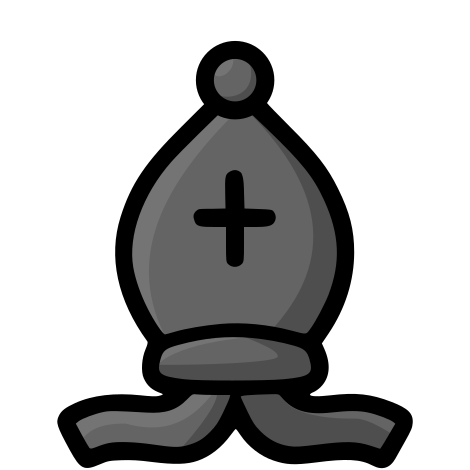


پیادهٔ خودی قطر را میبندد
فیل نمیتواند از قطر بهسوی استفاده کند، زیرا پیادهٔ سفید در نخستین خانه را اشغال کرده است. پیادههای سیاه در و مرکز را نگه میدارند و فعالیت سفید را محدود میکنند.
زمانبندی تعیینکننده است. اگر حرکت بیش از حد آهسته آماده شود، حریف ممکن است جلوی آن را بگیرد؛ اگر زود اجرا شود، شاید مهرهها برای استفاده از خطوط تازه آماده نباشند. محاسبه باید آزادی به دست آمده را با ضعفهای ایجادشده مقایسه کند.
اشتباههای رایج
حرکت رهاییبخش و شکست پیادهای
بسیاری از حرکتهای رهاییبخش شکست پیادهای هستند، اما تعویض یا بازآرایی نیز میتواند بدون پیشروی پیاده پوزیسیون را آزاد کند.
منابع
- 1.Taizhou 01: Hou Yifan strikes first, ChessBase
- 2.Reducing Counterplay in Chess: How to Kill the Opponent’s Chances, ChessWorld