
'%3e%3cpath%20d='M21.97,16.783C18.592,14.338%2014.595,14.954%2012,17.1C11.344,16.628%2010.011,15.91%209.895,15.621C9.48,14.59%207.341,14.568%207.01,14.882C6.812,15.07%206.83,15.344%206.553,15.331C4.832,15.252%203.708,15.794%201.993,16.774'%20style='fill:none;fill-rule:nonzero;stroke:%2310b981;stroke-width:1.14px;'/%3e%3c/g%3e%3cg%20transform='matrix(1,0,0,2.04091,-14.1682,-22.4853)'%3e%3cpath%20d='M15.074,18.836L15.074,17.423'%20style='fill:none;stroke:%2310b981;stroke-width:0.62px;stroke-linecap:square;stroke-miterlimit:1.5;'/%3e%3c/g%3e%3cg%20transform='matrix(1,0,0,2.04091,6.00754,-22.5274)'%3e%3cpath%20d='M15.074,18.863L15.074,17.423'%20style='fill:none;stroke:%2310b981;stroke-width:0.62px;stroke-linecap:square;stroke-miterlimit:1.5;'/%3e%3c/g%3e%3cg%20transform='matrix(1,0,0,1.10679,-1,-3.20585)'%3e%3cpath%20d='M2,5.5C5.5,3.5%209.5,4%2012,5.8C14.5,4%2018.5,3.5%2022,5.5L22,16.8C18.5,14.8%2014.5,15.3%2012,17.1C9.5,15.3%205.5,14.8%202,16.8L2,5.5Z'%20style='fill:none;fill-rule:nonzero;stroke:%236ee7b7;stroke-width:1.14px;'/%3e%3c/g%3e%3cg%20transform='matrix(1,0,0,1.026,-1,-2.90714)'%3e%3cpath%20d='M12,5.8L12,17.1'%20style='fill:none;fill-rule:nonzero;stroke:%236ee7b7;stroke-width:1.2px;'/%3e%3c/g%3e%3cg%20transform='matrix(0.868549,0,0,1.12022,1.58071,-2.86274)'%3e%3cpath%20d='M8,15.6L8,19.8L6.5,18.5L5,19.8L5,15.6'%20style='fill:none;fill-rule:nonzero;stroke:%236ee7b7;stroke-width:1.2px;'/%3e%3c/g%3e%3cg%20transform='matrix(1,0,0,1,-1,-3.75633)'%3e%3cpath%20d='M5,9C6.467,8.4%207.967,8.5%209.5,9.3'%20style='fill:none;fill-rule:nonzero;stroke:%236ee7b7;stroke-width:1.2px;'/%3e%3c/g%3e%3cg%20transform='matrix(1,0,0,1,-1,-3.75633)'%3e%3cpath%20d='M5,12C6.333,11.467%208.119,11.635%209.119,12.235'%20style='fill:none;fill-rule:nonzero;stroke:%236ee7b7;stroke-width:1.2px;'/%3e%3c/g%3e%3cg%20transform='matrix(0.988254,-0.152823,0.152823,0.988254,6.85356,-2.53705)'%3e%3cpath%20d='M5,12C6.333,11.467%208.119,11.635%209.119,12.235'%20style='fill:none;fill-rule:nonzero;stroke:%236ee7b7;stroke-width:1.2px;'/%3e%3c/g%3e%3cg%20transform='matrix(1,0,0,1,-1,-3.75633)'%3e%3cpath%20d='M14.5,9.3C16.033,8.5%2017.533,8.4%2019,9'%20style='fill:none;fill-rule:nonzero;stroke:%236ee7b7;stroke-width:1.2px;'/%3e%3c/g%3e%3cg%20transform='matrix(1,0,0,1,-1,2.24367)'%3e%3cpath%20d='M5,9C6.467,8.4%207.967,8.5%209.5,9.3'%20style='fill:none;fill-rule:nonzero;stroke:%236ee7b7;stroke-width:1.2px;'/%3e%3c/g%3e%3cg%20transform='matrix(0.999988,0.00496871,-0.00496871,0.999988,-0.955288,2.16055)'%3e%3cpath%20d='M14.5,9.3C16.033,8.5%2017.533,8.4%2019,9'%20style='fill:none;fill-rule:nonzero;stroke:%236ee7b7;stroke-width:1.2px;'/%3e%3c/g%3e%3c/svg%3e)
توضیح
وسط بازی پس از و پیش از میآید، اما مرزهای دقیقی ندارد. معمولاً زمانی شناخته میشود که مهرههای اصلی وارد بازی شدهاند و موقعیت به جای حرکتهای شناختهشده گشایش، نقشههای ویژه خود را میطلبد.
انتخاب نقشه با مقایسه ویژگیهای موقعیت آغاز میشود. ماتریال یعنی مهرهها و پیادههایی که هر طرف دارد. فعالیت میزان اثرگذاری مفید یک مهره را بیان میکند. ساختار پیادهای چیدمان و ارتباط پیادههاست. فضای موجود و امنیت هر دو شاه نیز مهماند.
نقشه جهتی چندحرکتی بر پایه این تفاوتهاست: حمله به شاه بیپناه، بهبود مهره بدجا، اشغال ستون باز یا ایجاد ضعفی قابل حمله. چون موقعیت تغییر میکند، نقشه باید پس از هر پاسخ دوباره ارزیابی شود.
تاکتیکها رشتههای مشخصی برای رسیدن به نتیجه فوری مانند بردن ماتریال یا کیشومات هستند. الگوهایی مانند یا حتی با وجود نقشه کلی درست میتوانند بازی را تعیین کنند. بنابراین راهبرد و محاسبه با هم کار میکنند: نقشه هدفها را پیشنهاد میدهد و تاکتیک مشخص میکند آیا اکنون قابل اجرا هستند.
نقشه و تاکتیک در ستون d





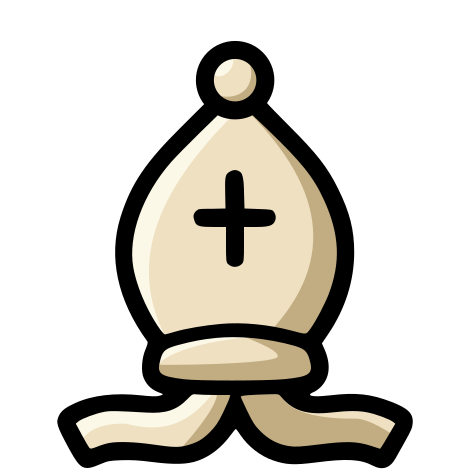
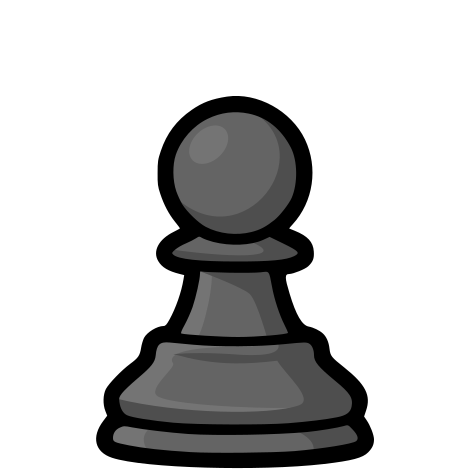


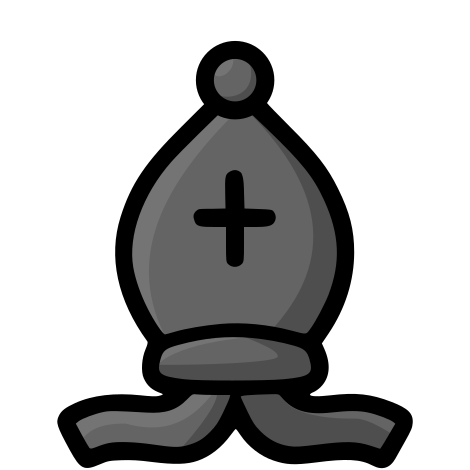
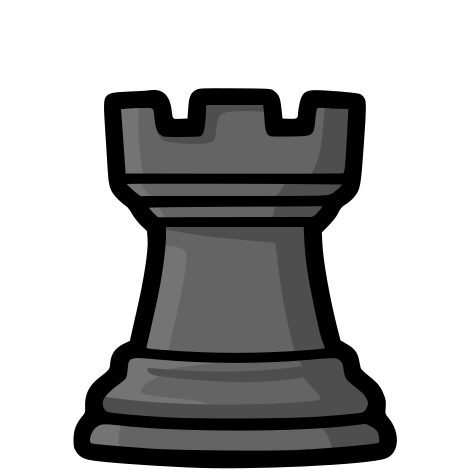

ورود به
وزیرها، رخها و مهرههای سبک هنوز فعالاند و و ساختار مرکزی را تثبیت کردهاند. رخ سفید با کیش ستون باز d را اشغال کرده، پس نقشه راهبردی نفوذ به تصمیمی تاکتیکی و فوری تبدیل میشود.
گذار به پایان بازی فقط به تعویض وزیرها وابسته نیست. موقعیتی بدون وزیر ممکن است هنوز مهرههای بسیار، شاههای بیپناه و بازی تاکتیکی داشته باشد. موقعیتی با وزیر نیز اگر ماتریال کمی باقی مانده و شاهها نسبتاً امن باشند میتواند ویژگیهای پایان بازی داشته باشد.
با حذف وزیرها، کیشها ناپدید نمیشوند
رخها و مهرههای سبک هنوز فعالاند
وزیرها حذف شدهاند، اما چهار رخ، هشت مهره سبک و تنش میان و وضعیت را پویا نگه میدارند. رخ سیاه کیش میدهد، پس امنیت شاه و محاسبه عینی همچنان تصمیم را تعیین میکنند.
اشتباههای رایج
وسط بازی و شماره حرکت
در حرکت ثابتی آغاز نمیشود. گسترش و موقعیت میتوانند آن را زودتر یا دیرتر پدید آورند.
تعویض وزیر و پایان بازی
تعویض وزیرها برخی حملهها را کاهش میدهد، اما موقعیت را خودکار به پایان بازی تبدیل نمیکند.
منابع
- 1.Chess Middlegame, Chess.com
- 2.Chess Tactics, Chess.com