
'%3e%3cpath%20d='M21.97,16.783C18.592,14.338%2014.595,14.954%2012,17.1C11.344,16.628%2010.011,15.91%209.895,15.621C9.48,14.59%207.341,14.568%207.01,14.882C6.812,15.07%206.83,15.344%206.553,15.331C4.832,15.252%203.708,15.794%201.993,16.774'%20style='fill:none;fill-rule:nonzero;stroke:%2310b981;stroke-width:1.14px;'/%3e%3c/g%3e%3cg%20transform='matrix(1,0,0,2.04091,-14.1682,-22.4853)'%3e%3cpath%20d='M15.074,18.836L15.074,17.423'%20style='fill:none;stroke:%2310b981;stroke-width:0.62px;stroke-linecap:square;stroke-miterlimit:1.5;'/%3e%3c/g%3e%3cg%20transform='matrix(1,0,0,2.04091,6.00754,-22.5274)'%3e%3cpath%20d='M15.074,18.863L15.074,17.423'%20style='fill:none;stroke:%2310b981;stroke-width:0.62px;stroke-linecap:square;stroke-miterlimit:1.5;'/%3e%3c/g%3e%3cg%20transform='matrix(1,0,0,1.10679,-1,-3.20585)'%3e%3cpath%20d='M2,5.5C5.5,3.5%209.5,4%2012,5.8C14.5,4%2018.5,3.5%2022,5.5L22,16.8C18.5,14.8%2014.5,15.3%2012,17.1C9.5,15.3%205.5,14.8%202,16.8L2,5.5Z'%20style='fill:none;fill-rule:nonzero;stroke:%236ee7b7;stroke-width:1.14px;'/%3e%3c/g%3e%3cg%20transform='matrix(1,0,0,1.026,-1,-2.90714)'%3e%3cpath%20d='M12,5.8L12,17.1'%20style='fill:none;fill-rule:nonzero;stroke:%236ee7b7;stroke-width:1.2px;'/%3e%3c/g%3e%3cg%20transform='matrix(0.868549,0,0,1.12022,1.58071,-2.86274)'%3e%3cpath%20d='M8,15.6L8,19.8L6.5,18.5L5,19.8L5,15.6'%20style='fill:none;fill-rule:nonzero;stroke:%236ee7b7;stroke-width:1.2px;'/%3e%3c/g%3e%3cg%20transform='matrix(1,0,0,1,-1,-3.75633)'%3e%3cpath%20d='M5,9C6.467,8.4%207.967,8.5%209.5,9.3'%20style='fill:none;fill-rule:nonzero;stroke:%236ee7b7;stroke-width:1.2px;'/%3e%3c/g%3e%3cg%20transform='matrix(1,0,0,1,-1,-3.75633)'%3e%3cpath%20d='M5,12C6.333,11.467%208.119,11.635%209.119,12.235'%20style='fill:none;fill-rule:nonzero;stroke:%236ee7b7;stroke-width:1.2px;'/%3e%3c/g%3e%3cg%20transform='matrix(0.988254,-0.152823,0.152823,0.988254,6.85356,-2.53705)'%3e%3cpath%20d='M5,12C6.333,11.467%208.119,11.635%209.119,12.235'%20style='fill:none;fill-rule:nonzero;stroke:%236ee7b7;stroke-width:1.2px;'/%3e%3c/g%3e%3cg%20transform='matrix(1,0,0,1,-1,-3.75633)'%3e%3cpath%20d='M14.5,9.3C16.033,8.5%2017.533,8.4%2019,9'%20style='fill:none;fill-rule:nonzero;stroke:%236ee7b7;stroke-width:1.2px;'/%3e%3c/g%3e%3cg%20transform='matrix(1,0,0,1,-1,2.24367)'%3e%3cpath%20d='M5,9C6.467,8.4%207.967,8.5%209.5,9.3'%20style='fill:none;fill-rule:nonzero;stroke:%236ee7b7;stroke-width:1.2px;'/%3e%3c/g%3e%3cg%20transform='matrix(0.999988,0.00496871,-0.00496871,0.999988,-0.955288,2.16055)'%3e%3cpath%20d='M14.5,9.3C16.033,8.5%2017.533,8.4%2019,9'%20style='fill:none;fill-rule:nonzero;stroke:%236ee7b7;stroke-width:1.2px;'/%3e%3c/g%3e%3c/svg%3e)
توضیح
این یک است که در آن یک طرف شاه و وزیر دارد و طرف دیگر شاه، رخ و یک سوار سبک. سوار سبک یعنی فیل یا اسب. در وضعیتهای پایدار و بدون گرفتن فوری مهره، نتیجهٔ معمول تساوی است ، هرچند جای دقیق مهرهها میتواند شانس برد ایجاد کند.
رخ و سوار سبک زمانی دفاع مؤثری میسازند که نزدیک شاه بمانند و از یکدیگر محافظت کنند. رخ میتواند از دور کیش بدهد، در حالی که فیل قطرها را کنترل میکند یا اسب خانههایی را میپوشاند که از آنها میتواند شاه را پشتیبانی کند یا به وزیر حمله کند. اگر این سه مهره از هم جدا شوند، وزیر ممکن است همزمان به دو هدف حمله کند یا آچمز بسازد، یعنی وضعیتی که مهرهای نمیتواند حرکت کند، زیرا با حرکت خود شاه را در معرض حمله قرار میدهد.
فرصتهای وزیر از کجا پدید میآیند
- در برابر اسب، وزیر میتواند خانههای در دسترس آن را کم کند تا نزدیک لبه گرفتار شود، بهویژه اگر از شاه و رخ خود دور باشد.
- در برابر فیل، وزیر میتواند کیشها و تهدیدها را ترکیب کند تا فیل را به قطر یا خانهای وادار کند که دیگر محافظت نمیشود.
ارزشهای تقریبی مهرهها به تنهایی حکم قابل اعتمادی نمیدهند. یک وضعیت ظاهراً متعادل ممکن است بهدلیل حملهٔ دوگانه، رخِ بیدفاع یا شاهِ در معرض حمله به باخت بینجامد. تیبلبیسها پایگاههای دادهای هستند که آخربازیهای کممهره را بهطور کامل محاسبه و نتیجهٔ دقیق وضعیتهای تحت پوشش را ارائه میکنند. در تحلیل عملی، ابتدا تهدیدهای فوری و سپس هماهنگی بلندمدت را بررسی کنید.
شبکهای فشرده از رخ و فیل


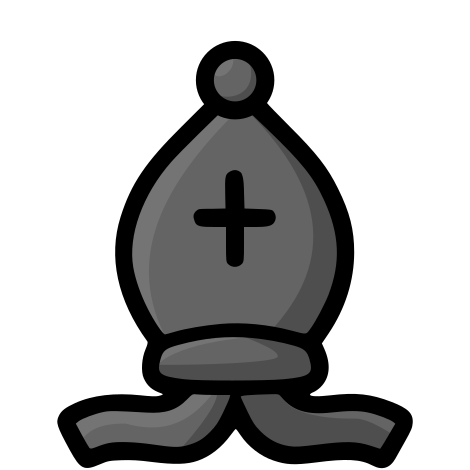


حفاظت نزدیک و قطرها
نوبت سیاه است. شاه ، رخ و فیل یک هستهٔ فشرده میسازند: شاه از مهرههای نزدیک حمایت میکند، رخ از دفاع میکند و فیل شبکهای قطری فراهم میآورد که با شبکهٔ اسب متفاوت است.
اشتباههای رایج
جمع ارزش مهرهها نتیجه را تعیین میکند
امنیت شاه و حفاظت متقابل از یک مقایسهٔ عددی تقریبی مهمترند.
فیل و اسب قابل جایگزینیاند
اسب ممکن است کنار لبه گرفتار شود، در حالی که فیل به شبکهای متفاوت از قطرها و خانههای امن وابسته است.
منابع
- 1.Understanding Queen Endgames, Russell Enterprises