
'%3e%3cpath%20d='M21.97,16.783C18.592,14.338%2014.595,14.954%2012,17.1C11.344,16.628%2010.011,15.91%209.895,15.621C9.48,14.59%207.341,14.568%207.01,14.882C6.812,15.07%206.83,15.344%206.553,15.331C4.832,15.252%203.708,15.794%201.993,16.774'%20style='fill:none;fill-rule:nonzero;stroke:%2310b981;stroke-width:1.14px;'/%3e%3c/g%3e%3cg%20transform='matrix(1,0,0,2.04091,-14.1682,-22.4853)'%3e%3cpath%20d='M15.074,18.836L15.074,17.423'%20style='fill:none;stroke:%2310b981;stroke-width:0.62px;stroke-linecap:square;stroke-miterlimit:1.5;'/%3e%3c/g%3e%3cg%20transform='matrix(1,0,0,2.04091,6.00754,-22.5274)'%3e%3cpath%20d='M15.074,18.863L15.074,17.423'%20style='fill:none;stroke:%2310b981;stroke-width:0.62px;stroke-linecap:square;stroke-miterlimit:1.5;'/%3e%3c/g%3e%3cg%20transform='matrix(1,0,0,1.10679,-1,-3.20585)'%3e%3cpath%20d='M2,5.5C5.5,3.5%209.5,4%2012,5.8C14.5,4%2018.5,3.5%2022,5.5L22,16.8C18.5,14.8%2014.5,15.3%2012,17.1C9.5,15.3%205.5,14.8%202,16.8L2,5.5Z'%20style='fill:none;fill-rule:nonzero;stroke:%236ee7b7;stroke-width:1.14px;'/%3e%3c/g%3e%3cg%20transform='matrix(1,0,0,1.026,-1,-2.90714)'%3e%3cpath%20d='M12,5.8L12,17.1'%20style='fill:none;fill-rule:nonzero;stroke:%236ee7b7;stroke-width:1.2px;'/%3e%3c/g%3e%3cg%20transform='matrix(0.868549,0,0,1.12022,1.58071,-2.86274)'%3e%3cpath%20d='M8,15.6L8,19.8L6.5,18.5L5,19.8L5,15.6'%20style='fill:none;fill-rule:nonzero;stroke:%236ee7b7;stroke-width:1.2px;'/%3e%3c/g%3e%3cg%20transform='matrix(1,0,0,1,-1,-3.75633)'%3e%3cpath%20d='M5,9C6.467,8.4%207.967,8.5%209.5,9.3'%20style='fill:none;fill-rule:nonzero;stroke:%236ee7b7;stroke-width:1.2px;'/%3e%3c/g%3e%3cg%20transform='matrix(1,0,0,1,-1,-3.75633)'%3e%3cpath%20d='M5,12C6.333,11.467%208.119,11.635%209.119,12.235'%20style='fill:none;fill-rule:nonzero;stroke:%236ee7b7;stroke-width:1.2px;'/%3e%3c/g%3e%3cg%20transform='matrix(0.988254,-0.152823,0.152823,0.988254,6.85356,-2.53705)'%3e%3cpath%20d='M5,12C6.333,11.467%208.119,11.635%209.119,12.235'%20style='fill:none;fill-rule:nonzero;stroke:%236ee7b7;stroke-width:1.2px;'/%3e%3c/g%3e%3cg%20transform='matrix(1,0,0,1,-1,-3.75633)'%3e%3cpath%20d='M14.5,9.3C16.033,8.5%2017.533,8.4%2019,9'%20style='fill:none;fill-rule:nonzero;stroke:%236ee7b7;stroke-width:1.2px;'/%3e%3c/g%3e%3cg%20transform='matrix(1,0,0,1,-1,2.24367)'%3e%3cpath%20d='M5,9C6.467,8.4%207.967,8.5%209.5,9.3'%20style='fill:none;fill-rule:nonzero;stroke:%236ee7b7;stroke-width:1.2px;'/%3e%3c/g%3e%3cg%20transform='matrix(0.999988,0.00496871,-0.00496871,0.999988,-0.955288,2.16055)'%3e%3cpath%20d='M14.5,9.3C16.033,8.5%2017.533,8.4%2019,9'%20style='fill:none;fill-rule:nonzero;stroke:%236ee7b7;stroke-width:1.2px;'/%3e%3c/g%3e%3c/svg%3e)
توضیح
پات زمانی رخ میدهد که بازیکنی که نوبت حرکت دارد هیچ حرکت قانونی نداشته باشد و شاه او کیش نباشد. طبق قوانین FIDE، بازی فوراً مساوی میشود. ترفند پات همیشه خودِ وضعیت نهایی پات نیست؛ ممکن است تهدیدی باشد که مهاجم را وادار کند نقشهاش را عوض کند یا بخشی از برتری مادی را پس بدهد.
سازوکارهای رایج
- آخرین مهره یا پیاده متحرک را قربانی کنید تا شاه هیچ حرکت قانونی نداشته باشد.
- مهرهای را پیشنهاد کنید که گرفتن آن همه حرکتهای قانونی مدافع را حذف کند.
- شاه خود را عمداً محصور کنید و یک پاسخ مشخص را نگه دارید که به تساوی میانجامد.
- انتخابی بسازید که در آن مهاجم ناچار شود کیشهای تکراری را بپذیرد یا از گرفتنِ ظاهراً برنده صرفنظر کند.
آخرین پیاده قربانی میشود




آخرین مهره غیرشاه هنوز میتواند حرکت کند
سیاه افزون بر شاه هنوز پیادهای در دارد. حبس شاه هنوز پات نیست، چون پیاده امکان حرکت میدهد.
پیش از گرفتن، مهاجم باید سه واقعیت را بررسی کند: آیا شاه حریف کیش است، چه خانههای قانونی برایش باقی میماند و آیا هنوز پیاده یا مهرهای میتواند حرکت کند. این بررسی در آخر بازی وزیر اهمیت ویژه دارد، زیرا یک گرفتن ممکن است ناگهان تمام امکان حرکت مدافع را از بین ببرد.
یک گرفتن آخرین حرکت را حذف میکند
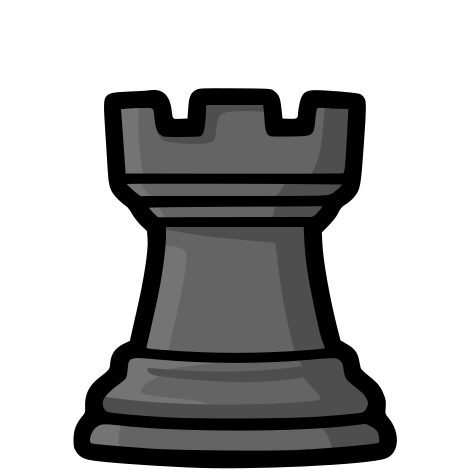
رخ موقعیت را زنده نگه میدارد
شاه سیاه در محبوس است، اما رخ هنوز متعلق به طرف مدافع است و امکان حرکت میدهد. سفید میتواند فوراً آن را بزند.
نمونهای کلاسیک دارد. ترفیع طبیعی به وزیر اجازه قربانی رخ و پایان پات را میدهد، در حالی که ترفیعی کمکاربردتر از دام میگریزد.
اشتباههای رایج
پات و مات
در مات، شاه کیش است و نمیتواند فرار کند. در پات، شاه کیش نیست، اما طرف او هیچ حرکت قانونی ندارد.
پات و دژ
پات بازی را در وضعیتی مشخص و بدون حرکت قانونی پایان میدهد. دژ دفاعی پایدار است که هنوز حرکتهایی در آن وجود دارد، اما مهاجم نمیتواند پیشرفت کند.
منابع
- 1.FIDE Laws of Chess taking effect from 1 January 2023, FIDE
- 2.How To Save Yourself With Stalemate, Chess.com
- 3.Queen Endgames: Beware of Stalemate!, Chess.com