
'%3e%3cpath%20d='M21.97,16.783C18.592,14.338%2014.595,14.954%2012,17.1C11.344,16.628%2010.011,15.91%209.895,15.621C9.48,14.59%207.341,14.568%207.01,14.882C6.812,15.07%206.83,15.344%206.553,15.331C4.832,15.252%203.708,15.794%201.993,16.774'%20style='fill:none;fill-rule:nonzero;stroke:%2310b981;stroke-width:1.14px;'/%3e%3c/g%3e%3cg%20transform='matrix(1,0,0,2.04091,-14.1682,-22.4853)'%3e%3cpath%20d='M15.074,18.836L15.074,17.423'%20style='fill:none;stroke:%2310b981;stroke-width:0.62px;stroke-linecap:square;stroke-miterlimit:1.5;'/%3e%3c/g%3e%3cg%20transform='matrix(1,0,0,2.04091,6.00754,-22.5274)'%3e%3cpath%20d='M15.074,18.863L15.074,17.423'%20style='fill:none;stroke:%2310b981;stroke-width:0.62px;stroke-linecap:square;stroke-miterlimit:1.5;'/%3e%3c/g%3e%3cg%20transform='matrix(1,0,0,1.10679,-1,-3.20585)'%3e%3cpath%20d='M2,5.5C5.5,3.5%209.5,4%2012,5.8C14.5,4%2018.5,3.5%2022,5.5L22,16.8C18.5,14.8%2014.5,15.3%2012,17.1C9.5,15.3%205.5,14.8%202,16.8L2,5.5Z'%20style='fill:none;fill-rule:nonzero;stroke:%236ee7b7;stroke-width:1.14px;'/%3e%3c/g%3e%3cg%20transform='matrix(1,0,0,1.026,-1,-2.90714)'%3e%3cpath%20d='M12,5.8L12,17.1'%20style='fill:none;fill-rule:nonzero;stroke:%236ee7b7;stroke-width:1.2px;'/%3e%3c/g%3e%3cg%20transform='matrix(0.868549,0,0,1.12022,1.58071,-2.86274)'%3e%3cpath%20d='M8,15.6L8,19.8L6.5,18.5L5,19.8L5,15.6'%20style='fill:none;fill-rule:nonzero;stroke:%236ee7b7;stroke-width:1.2px;'/%3e%3c/g%3e%3cg%20transform='matrix(1,0,0,1,-1,-3.75633)'%3e%3cpath%20d='M5,9C6.467,8.4%207.967,8.5%209.5,9.3'%20style='fill:none;fill-rule:nonzero;stroke:%236ee7b7;stroke-width:1.2px;'/%3e%3c/g%3e%3cg%20transform='matrix(1,0,0,1,-1,-3.75633)'%3e%3cpath%20d='M5,12C6.333,11.467%208.119,11.635%209.119,12.235'%20style='fill:none;fill-rule:nonzero;stroke:%236ee7b7;stroke-width:1.2px;'/%3e%3c/g%3e%3cg%20transform='matrix(0.988254,-0.152823,0.152823,0.988254,6.85356,-2.53705)'%3e%3cpath%20d='M5,12C6.333,11.467%208.119,11.635%209.119,12.235'%20style='fill:none;fill-rule:nonzero;stroke:%236ee7b7;stroke-width:1.2px;'/%3e%3c/g%3e%3cg%20transform='matrix(1,0,0,1,-1,-3.75633)'%3e%3cpath%20d='M14.5,9.3C16.033,8.5%2017.533,8.4%2019,9'%20style='fill:none;fill-rule:nonzero;stroke:%236ee7b7;stroke-width:1.2px;'/%3e%3c/g%3e%3cg%20transform='matrix(1,0,0,1,-1,2.24367)'%3e%3cpath%20d='M5,9C6.467,8.4%207.967,8.5%209.5,9.3'%20style='fill:none;fill-rule:nonzero;stroke:%236ee7b7;stroke-width:1.2px;'/%3e%3c/g%3e%3cg%20transform='matrix(0.999988,0.00496871,-0.00496871,0.999988,-0.955288,2.16055)'%3e%3cpath%20d='M14.5,9.3C16.033,8.5%2017.533,8.4%2019,9'%20style='fill:none;fill-rule:nonzero;stroke:%236ee7b7;stroke-width:1.2px;'/%3e%3c/g%3e%3c/svg%3e)
توضیح
حرکت آرام کیش نمیدهد و مهرهای را نمیگیرد و هدفش شاید در نگاه نخست فوری به نظر نرسد. برخی تعریفها هر حمله مستقیم را نیز کنار میگذارند و برخی اصطلاح را گستردهتر برای حرکتی با اثر اصلیِ آمادهسازی به کار میبرند. این حرکت میتواند خانه فرار شاه را کنترل کند، مهره دیگری را وارد حمله کند، مهره مزاحم خودی را کنار ببرد یا دفاع مورد نظر حریف را متوقف کند.
رخ هر دو راه فرار را میبندد

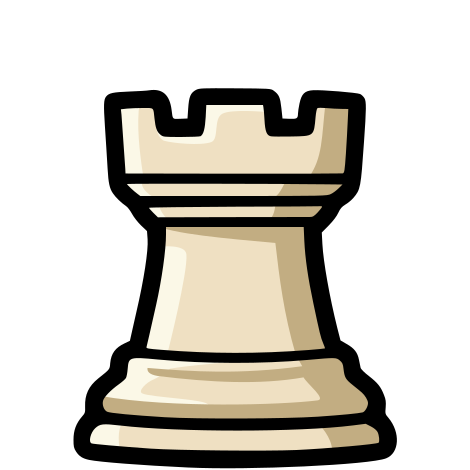
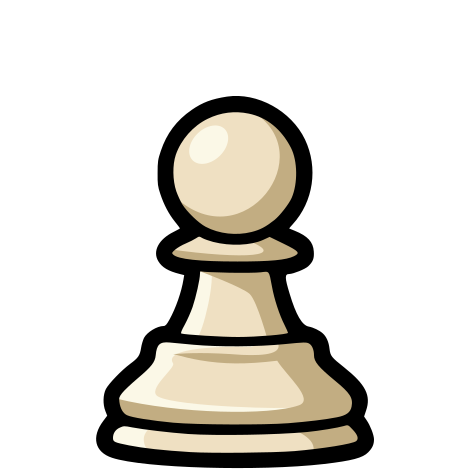

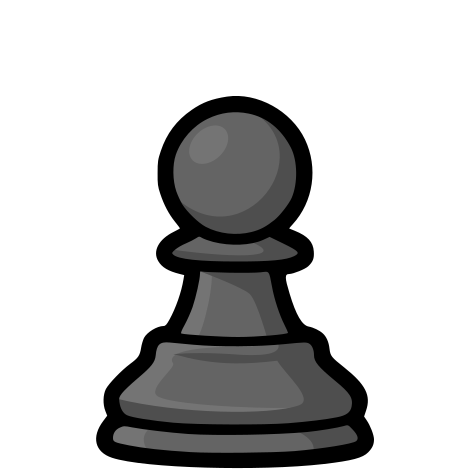
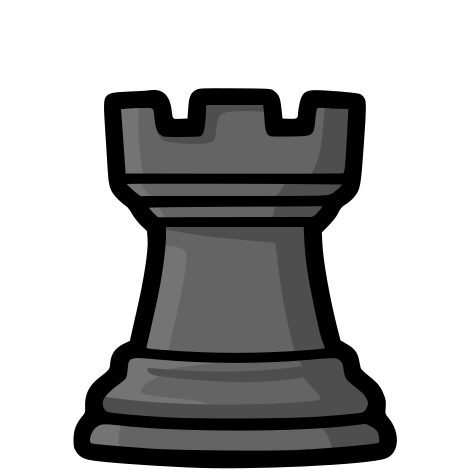

ورود هنوز دو راه فرار باقی میگذارد
کیش میدهد، اما شاه همچنان میتواند از یا فرار کند. بنابراین این ورود در پوزیسیون فعلی مات نیست.
آرام به معنای منفعل نیست. در بسیاری از وضعیتها همه کیشها و گرفتنها دفاعی در اختیار حریف میگذارند، اما حرکتی نامحسوس تهدیدی دشوار یا غیرقابلمهار باقی میگذارد. قدرت آن از تغییر خانهها و مسیرهای زیر کنترل مهرهها میآید، بیآنکه پاسخ راحتی بدهد. همچنین میتواند را حفظ کند.
رخ از ورود حمایت میکند
وزیر هنوز بدون حمایت وارد میشود
هنوز کار نمیکند. شاهِ میتواند وزیر را در بگیرد، زیرا هیچ مهرهٔ سفیدی از آن خانه محافظت نمیکند.
چگونه آن را پیدا کنیم
پس از بررسی حرکتهای اجباری مانند کیشها، گرفتنها و تهدیدهای فوری، ببین کدام دفاع مانع اجرای ایده توست. حرکت آرام معمولاً آن دفاع را حذف میکند، مهاجمی میافزاید یا خانه فراری را میگیرد. سپس بررسی کن حریف در آن ی آمادهسازی کیش، گرفتن یا تهدید قویتری نداشته باشد.
اشتباههای رایج
حرکت آرام و حرکت منفعل
حرکت منفعل ممکن است فقط منتظر بماند یا دفاع کند. حرکت آرام میتواند بسیار تهاجمی باشد، هرچند اثرش فوری نیست.
حرکت آرام و زوگ میانی
حرکت آرام معمولاً بدون مطالبه پاسخ فوری ایدهای را آماده میکند. دنباله را با تهدیدی که باید فوراً پاسخ داده شود قطع میکند.
مشاهده اصطلاحمنابع
- 1.Glossary of chess, Wikipedia
- 2.Quiet Moves in Attack, Chess.com