
'%3e%3cpath%20d='M21.97,16.783C18.592,14.338%2014.595,14.954%2012,17.1C11.344,16.628%2010.011,15.91%209.895,15.621C9.48,14.59%207.341,14.568%207.01,14.882C6.812,15.07%206.83,15.344%206.553,15.331C4.832,15.252%203.708,15.794%201.993,16.774'%20style='fill:none;fill-rule:nonzero;stroke:%2310b981;stroke-width:1.14px;'/%3e%3c/g%3e%3cg%20transform='matrix(1,0,0,2.04091,-14.1682,-22.4853)'%3e%3cpath%20d='M15.074,18.836L15.074,17.423'%20style='fill:none;stroke:%2310b981;stroke-width:0.62px;stroke-linecap:square;stroke-miterlimit:1.5;'/%3e%3c/g%3e%3cg%20transform='matrix(1,0,0,2.04091,6.00754,-22.5274)'%3e%3cpath%20d='M15.074,18.863L15.074,17.423'%20style='fill:none;stroke:%2310b981;stroke-width:0.62px;stroke-linecap:square;stroke-miterlimit:1.5;'/%3e%3c/g%3e%3cg%20transform='matrix(1,0,0,1.10679,-1,-3.20585)'%3e%3cpath%20d='M2,5.5C5.5,3.5%209.5,4%2012,5.8C14.5,4%2018.5,3.5%2022,5.5L22,16.8C18.5,14.8%2014.5,15.3%2012,17.1C9.5,15.3%205.5,14.8%202,16.8L2,5.5Z'%20style='fill:none;fill-rule:nonzero;stroke:%236ee7b7;stroke-width:1.14px;'/%3e%3c/g%3e%3cg%20transform='matrix(1,0,0,1.026,-1,-2.90714)'%3e%3cpath%20d='M12,5.8L12,17.1'%20style='fill:none;fill-rule:nonzero;stroke:%236ee7b7;stroke-width:1.2px;'/%3e%3c/g%3e%3cg%20transform='matrix(0.868549,0,0,1.12022,1.58071,-2.86274)'%3e%3cpath%20d='M8,15.6L8,19.8L6.5,18.5L5,19.8L5,15.6'%20style='fill:none;fill-rule:nonzero;stroke:%236ee7b7;stroke-width:1.2px;'/%3e%3c/g%3e%3cg%20transform='matrix(1,0,0,1,-1,-3.75633)'%3e%3cpath%20d='M5,9C6.467,8.4%207.967,8.5%209.5,9.3'%20style='fill:none;fill-rule:nonzero;stroke:%236ee7b7;stroke-width:1.2px;'/%3e%3c/g%3e%3cg%20transform='matrix(1,0,0,1,-1,-3.75633)'%3e%3cpath%20d='M5,12C6.333,11.467%208.119,11.635%209.119,12.235'%20style='fill:none;fill-rule:nonzero;stroke:%236ee7b7;stroke-width:1.2px;'/%3e%3c/g%3e%3cg%20transform='matrix(0.988254,-0.152823,0.152823,0.988254,6.85356,-2.53705)'%3e%3cpath%20d='M5,12C6.333,11.467%208.119,11.635%209.119,12.235'%20style='fill:none;fill-rule:nonzero;stroke:%236ee7b7;stroke-width:1.2px;'/%3e%3c/g%3e%3cg%20transform='matrix(1,0,0,1,-1,-3.75633)'%3e%3cpath%20d='M14.5,9.3C16.033,8.5%2017.533,8.4%2019,9'%20style='fill:none;fill-rule:nonzero;stroke:%236ee7b7;stroke-width:1.2px;'/%3e%3c/g%3e%3cg%20transform='matrix(1,0,0,1,-1,2.24367)'%3e%3cpath%20d='M5,9C6.467,8.4%207.967,8.5%209.5,9.3'%20style='fill:none;fill-rule:nonzero;stroke:%236ee7b7;stroke-width:1.2px;'/%3e%3c/g%3e%3cg%20transform='matrix(0.999988,0.00496871,-0.00496871,0.999988,-0.955288,2.16055)'%3e%3cpath%20d='M14.5,9.3C16.033,8.5%2017.533,8.4%2019,9'%20style='fill:none;fill-rule:nonzero;stroke:%236ee7b7;stroke-width:1.2px;'/%3e%3c/g%3e%3c/svg%3e)
توضیح
در شطرنج، فضا مقدار قلمرو مفیدی است که بازیکن کنترل میکند و میتواند برای سازمان دادن مهرههایش به کار گیرد. فضا اغلب پشت پیادههای پیشرفته پدید میآید. این پیادهها خانههای در دسترس حریف را کم و جا را برای مهرههای خودی بیشتر میکنند. فضا با امتیاز دقیق سنجیده نمیشود، بلکه آزادی حرکت و دسترسی به خانههای مهم معیار آن است.
برتری فضا جابهجایی مهرهها، تمرکز نیروها و دشوار کردن ، یعنی فعال شدن مهرههای حریف از خانههای آغازین، یا دفاع او را آسانتر میکند. طرف کمفضا فشرده است و اغلب میجوید، یعنی فعالیتی که حریف را به پاسخ وادارد. تعویض مهرهها یا شکستن پیادهای، یعنی پیشروی یا گرفتنی که آرایش پیادهها را تغییر و خطوط را باز کند، میتواند کمبود فضا را کاهش دهد.
فضا در مرکز و جناح شاه







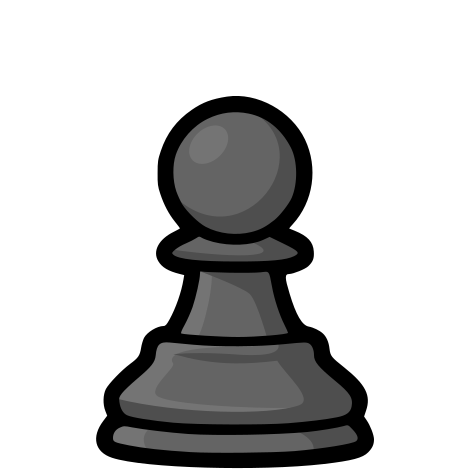
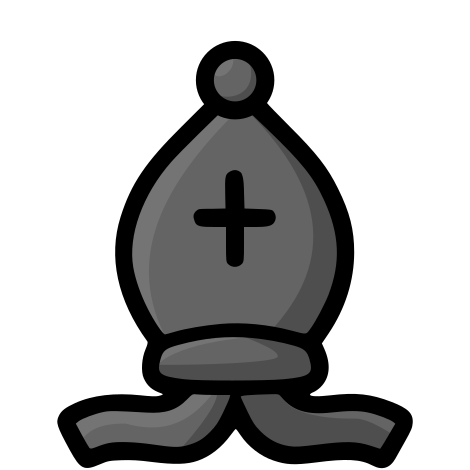



فضای مفید پشت جبههای پشتیبانیشده
زنجیره پیشرفته پیادهها مرکز و جناح شاه را در اختیار میگیرد، درون خود پشتیبانی میشود و برای مهرههای سفید مسیر باز میگذارد. همزمان خروجیهای مفید اسب سیاه را کاهش میدهد. ارزش مادی برابر است و صفحه ارزیابی کلی ارائه نمیکند.
فضای بیشتر موقعیت بهتر را تضمین نمیکند. پیادهها عقب نمیروند، پس پیشروی بیش از حد میتواند خانههای ضعیفی بسازد که پیادهها دیگر بهآسانی دفاع نمیکنند یا پیادههایی ایجاد کند که محافظتشان دشوار است. فضا فقط زمانی به ، یعنی برتری نسبتاً ماندگار، تبدیل میشود که مهرهها بتوانند از قلمرو استفاده کنند، پیادهها را نگه دارند و جلوی حمله موفق حریف را بگیرند. اغلب فضا میسازد، اما این دو مفهوم یکسان نیستند.
اشتباههای رایج
فضا و کنترل مرکز
کنترل مرکز به خانههای مشخص مرکزی مربوط است. فضا قلمرو مفید در هر بخش صفحه را توصیف میکند، هرچند این دو اغلب یکدیگر را تقویت میکنند.
مشاهده اصطلاحمنابع
- 1.Chess Strategy - 5 Key Concepts to Learn, Chess.com
- 2.Understanding before Moving 52: Space advantage, ChessBase