
'%3e%3cpath%20d='M21.97,16.783C18.592,14.338%2014.595,14.954%2012,17.1C11.344,16.628%2010.011,15.91%209.895,15.621C9.48,14.59%207.341,14.568%207.01,14.882C6.812,15.07%206.83,15.344%206.553,15.331C4.832,15.252%203.708,15.794%201.993,16.774'%20style='fill:none;fill-rule:nonzero;stroke:%2310b981;stroke-width:1.14px;'/%3e%3c/g%3e%3cg%20transform='matrix(1,0,0,2.04091,-14.1682,-22.4853)'%3e%3cpath%20d='M15.074,18.836L15.074,17.423'%20style='fill:none;stroke:%2310b981;stroke-width:0.62px;stroke-linecap:square;stroke-miterlimit:1.5;'/%3e%3c/g%3e%3cg%20transform='matrix(1,0,0,2.04091,6.00754,-22.5274)'%3e%3cpath%20d='M15.074,18.863L15.074,17.423'%20style='fill:none;stroke:%2310b981;stroke-width:0.62px;stroke-linecap:square;stroke-miterlimit:1.5;'/%3e%3c/g%3e%3cg%20transform='matrix(1,0,0,1.10679,-1,-3.20585)'%3e%3cpath%20d='M2,5.5C5.5,3.5%209.5,4%2012,5.8C14.5,4%2018.5,3.5%2022,5.5L22,16.8C18.5,14.8%2014.5,15.3%2012,17.1C9.5,15.3%205.5,14.8%202,16.8L2,5.5Z'%20style='fill:none;fill-rule:nonzero;stroke:%236ee7b7;stroke-width:1.14px;'/%3e%3c/g%3e%3cg%20transform='matrix(1,0,0,1.026,-1,-2.90714)'%3e%3cpath%20d='M12,5.8L12,17.1'%20style='fill:none;fill-rule:nonzero;stroke:%236ee7b7;stroke-width:1.2px;'/%3e%3c/g%3e%3cg%20transform='matrix(0.868549,0,0,1.12022,1.58071,-2.86274)'%3e%3cpath%20d='M8,15.6L8,19.8L6.5,18.5L5,19.8L5,15.6'%20style='fill:none;fill-rule:nonzero;stroke:%236ee7b7;stroke-width:1.2px;'/%3e%3c/g%3e%3cg%20transform='matrix(1,0,0,1,-1,-3.75633)'%3e%3cpath%20d='M5,9C6.467,8.4%207.967,8.5%209.5,9.3'%20style='fill:none;fill-rule:nonzero;stroke:%236ee7b7;stroke-width:1.2px;'/%3e%3c/g%3e%3cg%20transform='matrix(1,0,0,1,-1,-3.75633)'%3e%3cpath%20d='M5,12C6.333,11.467%208.119,11.635%209.119,12.235'%20style='fill:none;fill-rule:nonzero;stroke:%236ee7b7;stroke-width:1.2px;'/%3e%3c/g%3e%3cg%20transform='matrix(0.988254,-0.152823,0.152823,0.988254,6.85356,-2.53705)'%3e%3cpath%20d='M5,12C6.333,11.467%208.119,11.635%209.119,12.235'%20style='fill:none;fill-rule:nonzero;stroke:%236ee7b7;stroke-width:1.2px;'/%3e%3c/g%3e%3cg%20transform='matrix(1,0,0,1,-1,-3.75633)'%3e%3cpath%20d='M14.5,9.3C16.033,8.5%2017.533,8.4%2019,9'%20style='fill:none;fill-rule:nonzero;stroke:%236ee7b7;stroke-width:1.2px;'/%3e%3c/g%3e%3cg%20transform='matrix(1,0,0,1,-1,2.24367)'%3e%3cpath%20d='M5,9C6.467,8.4%207.967,8.5%209.5,9.3'%20style='fill:none;fill-rule:nonzero;stroke:%236ee7b7;stroke-width:1.2px;'/%3e%3c/g%3e%3cg%20transform='matrix(0.999988,0.00496871,-0.00496871,0.999988,-0.955288,2.16055)'%3e%3cpath%20d='M14.5,9.3C16.033,8.5%2017.533,8.4%2019,9'%20style='fill:none;fill-rule:nonzero;stroke:%236ee7b7;stroke-width:1.2px;'/%3e%3c/g%3e%3c/svg%3e)
توضیح
یک خانهٔ مورد حمله خانهای است که مهرهای از حریف آن را کنترل میکند. آزمون پایه این است که آیا آن مهره با پیروی از حرکت عادی خود میتواند مهرهای فرضی را در آن خانه بگیرد. خانه میتواند خالی باشد. پیادهها با آنکه مستقیم حرکت میکنند به دو قطر رو به جلو حمله میکنند، شاهها به خانههای مجاور حمله میکنند و فیلها، رخها و وزیرها در امتداد خط تا نخستین مانع حمله دارند.
اثر بر شاه
شاه نمیتواند به خانهٔ مورد حمله برود، زیرا در کیش قرار میگیرد. داشتن نیز کافی نیست اگر شاه در حمله باشد، ناچار شود از یک خانهٔ مورد حمله عبور کند یا در آن پایان دهد. بنابراین شناخت حملهها برای هر ضروری است.
یک نکتهٔ مقرراتی اهمیت ویژه دارد: مهره همچنان به خانهای حملهکننده محسوب میشود، حتی اگر نتواند به آنجا حرکت کند، زیرا چنین حرکتی شاه خودش را در کیش قرار میدهد. برای نمونه، مهرهای که جلوی شاه خود بیحرکت شده است هنوز میتواند مانع ورود شاه حریف به خانهای شود که کنترل میکند. این تعریف همچنین اجازه نمیدهد دو شاه مجاور یکدیگر شوند.
خانهٔ خالیای که شاه نمیتواند وارد آن شود
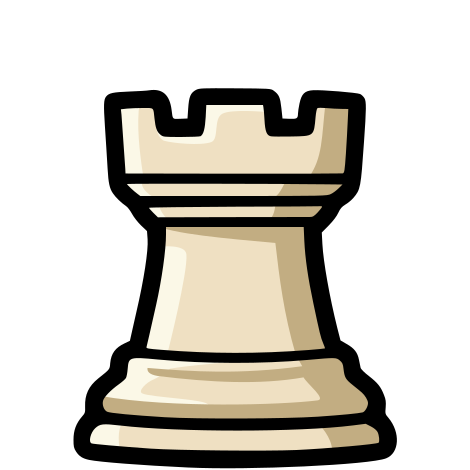

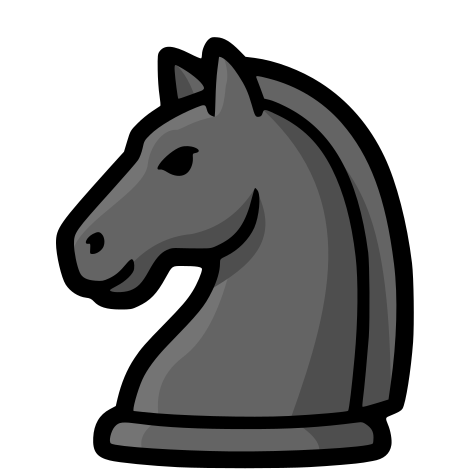

همچنان مورد حمله است
اسب سیاهِ بهوسیلهٔ رخ سفیدِ به شاه سیاهِ آچمز شده است. بااینحال همچنان به خانهٔ خالی حمله میکند، بنابراین شاه سفیدِ نمیتواند وارد آن شود.
حمله به یک خانه همیشه به معنای تهدید یک گرفتن سودمند در حرکت بعد نیست. اصطلاح مقرراتی، کنترلی را توصیف میکند که برای امنیت شاه اهمیت دارد، در حالی که میتواند به برنامهای تهاجمی و گستردهتر نیز اشاره کند.
اشتباههای رایج
پیاده به خانهٔ روبهرو حمله میکند
خیر. پیاده به سوی خانهٔ روبهرو حرکت میکند، اما فقط به دو خانهٔ مورب رو به جلو حمله دارد.
مهرهٔ بیحرکتشده هیچ حملهای ندارد
برای قواعد امنیت شاه ممکن است همچنان حمله داشته باشد. FIDE حمله را حتی وقتی حرکت مهره شاه خودش را در معرض کیش میگذارد، حفظ میکند.
منابع
- 1.Article 3: The Moves of the Pieces, FIDE Rules Commission