
'%3e%3cpath%20d='M21.97,16.783C18.592,14.338%2014.595,14.954%2012,17.1C11.344,16.628%2010.011,15.91%209.895,15.621C9.48,14.59%207.341,14.568%207.01,14.882C6.812,15.07%206.83,15.344%206.553,15.331C4.832,15.252%203.708,15.794%201.993,16.774'%20style='fill:none;fill-rule:nonzero;stroke:%2310b981;stroke-width:1.14px;'/%3e%3c/g%3e%3cg%20transform='matrix(1,0,0,2.04091,-14.1682,-22.4853)'%3e%3cpath%20d='M15.074,18.836L15.074,17.423'%20style='fill:none;stroke:%2310b981;stroke-width:0.62px;stroke-linecap:square;stroke-miterlimit:1.5;'/%3e%3c/g%3e%3cg%20transform='matrix(1,0,0,2.04091,6.00754,-22.5274)'%3e%3cpath%20d='M15.074,18.863L15.074,17.423'%20style='fill:none;stroke:%2310b981;stroke-width:0.62px;stroke-linecap:square;stroke-miterlimit:1.5;'/%3e%3c/g%3e%3cg%20transform='matrix(1,0,0,1.10679,-1,-3.20585)'%3e%3cpath%20d='M2,5.5C5.5,3.5%209.5,4%2012,5.8C14.5,4%2018.5,3.5%2022,5.5L22,16.8C18.5,14.8%2014.5,15.3%2012,17.1C9.5,15.3%205.5,14.8%202,16.8L2,5.5Z'%20style='fill:none;fill-rule:nonzero;stroke:%236ee7b7;stroke-width:1.14px;'/%3e%3c/g%3e%3cg%20transform='matrix(1,0,0,1.026,-1,-2.90714)'%3e%3cpath%20d='M12,5.8L12,17.1'%20style='fill:none;fill-rule:nonzero;stroke:%236ee7b7;stroke-width:1.2px;'/%3e%3c/g%3e%3cg%20transform='matrix(0.868549,0,0,1.12022,1.58071,-2.86274)'%3e%3cpath%20d='M8,15.6L8,19.8L6.5,18.5L5,19.8L5,15.6'%20style='fill:none;fill-rule:nonzero;stroke:%236ee7b7;stroke-width:1.2px;'/%3e%3c/g%3e%3cg%20transform='matrix(1,0,0,1,-1,-3.75633)'%3e%3cpath%20d='M5,9C6.467,8.4%207.967,8.5%209.5,9.3'%20style='fill:none;fill-rule:nonzero;stroke:%236ee7b7;stroke-width:1.2px;'/%3e%3c/g%3e%3cg%20transform='matrix(1,0,0,1,-1,-3.75633)'%3e%3cpath%20d='M5,12C6.333,11.467%208.119,11.635%209.119,12.235'%20style='fill:none;fill-rule:nonzero;stroke:%236ee7b7;stroke-width:1.2px;'/%3e%3c/g%3e%3cg%20transform='matrix(0.988254,-0.152823,0.152823,0.988254,6.85356,-2.53705)'%3e%3cpath%20d='M5,12C6.333,11.467%208.119,11.635%209.119,12.235'%20style='fill:none;fill-rule:nonzero;stroke:%236ee7b7;stroke-width:1.2px;'/%3e%3c/g%3e%3cg%20transform='matrix(1,0,0,1,-1,-3.75633)'%3e%3cpath%20d='M14.5,9.3C16.033,8.5%2017.533,8.4%2019,9'%20style='fill:none;fill-rule:nonzero;stroke:%236ee7b7;stroke-width:1.2px;'/%3e%3c/g%3e%3cg%20transform='matrix(1,0,0,1,-1,2.24367)'%3e%3cpath%20d='M5,9C6.467,8.4%207.967,8.5%209.5,9.3'%20style='fill:none;fill-rule:nonzero;stroke:%236ee7b7;stroke-width:1.2px;'/%3e%3c/g%3e%3cg%20transform='matrix(0.999988,0.00496871,-0.00496871,0.999988,-0.955288,2.16055)'%3e%3cpath%20d='M14.5,9.3C16.033,8.5%2017.533,8.4%2019,9'%20style='fill:none;fill-rule:nonzero;stroke:%236ee7b7;stroke-width:1.2px;'/%3e%3c/g%3e%3c/svg%3e)
توضیح
مبارزه برای مرکز یعنی تلاش برای کنترل چهار خانه مرکزی d4، e4، d5 و e5. کنترل یک خانه یعنی مهره مطابق شیوه حرکت خود به آن حمله کند، حتی اگر خانه خالی باشد. اشغال آن با مهره یا پیاده شکل دیگری از نفوذ است، اما تنها شکل نیست.
مرکز مانند چهارراه عمل میکند. مهرهای که در مرکز قرار دارد یا به سوی آن نشانه رفته معمولاً میتواند سریع به هر دو جناح برسد، در حالی که مهره نزدیک لبه انتخابهای کمتری دارد. به همین دلیل پیشروی یک و انجام به سوی خانههای فعال اغلب با هم کار میکنند. آنها فضا میگیرند، یعنی پشت پیادهها قلمرو مفید ایجاد میکنند، و جایگیری راحت مهرهها را برای حریف دشوارتر میسازند.
اشغال مرکز به رقابت پایان نمیدهد

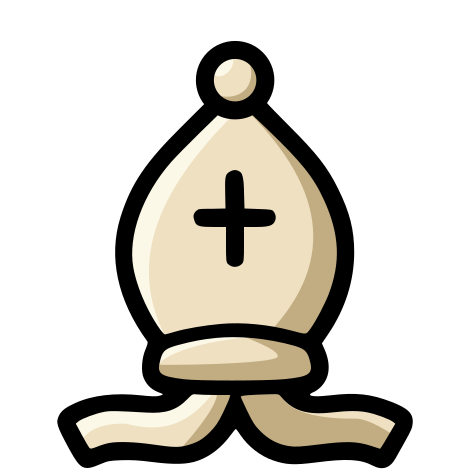




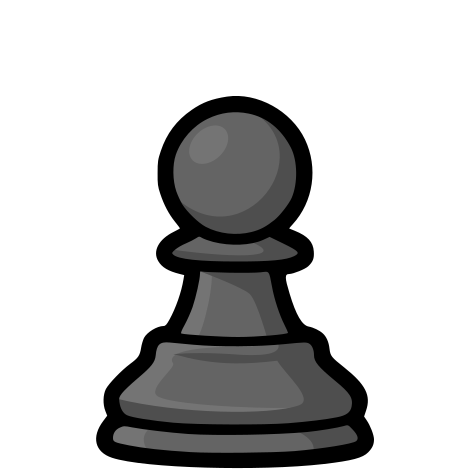



مرکز اشغال شده و زیر فشار است
سفید و را اشغال کرده و سیاه را. پیادهٔ با اسبِ حمایت میشود، اما پیادهٔ و اسبِ به آن حمله میکنند.
میتوان مرکز را از دور نیز به چالش کشید. برای نمونه، فیلی که با گسترش یافته میتواند از یک قطر بلند به خانههای مرکزی فشار آورد، بیآنکه پیاده خودی ابتدا آنها را اشغال کند. این رویکرد ممکن است حریف را دعوت کند مرکز پیادهای بسازد و سپس به آن حمله کند.
مرکز از کنترل میشود
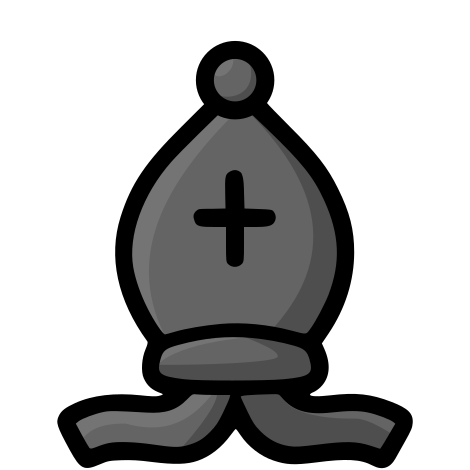
یک قطر به میرسد
فیل سیاه هیچ خانهٔ مرکزی را اشغال نکرده است. از از و عبور میکند، به پیادهٔ حمله میکند و به نمیرسد، زیرا آن پیاده قطر را متوقف میکند.
مبارزه برای مرکز به معنای پیش راندن همه پیادههای مرکزی بدون محاسبه نیست. پیاده پیشرفته ممکن است ضعیف شود و باز کردن مرکز میتواند به بازیکنی آسیب بزند که شاه ناامنتری دارد. پرسشهای عملی ایناند که کدام خانه مرکزی اهمیت دارد، چند مهره آن را کنترل میکنند و پس از تعویض چه ممکن است پدید آید.
شکست پیادهای به شاهِ مرکزی میرسد
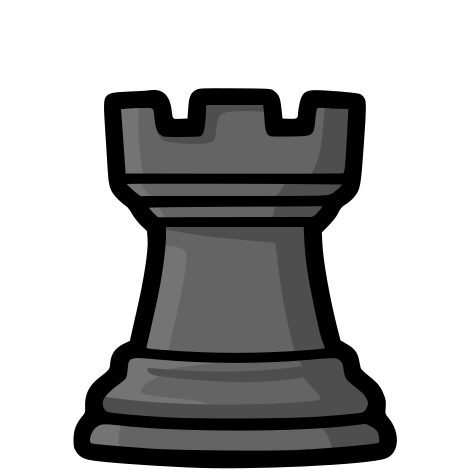
پیادهها پیش از مهرهها جلو رفتهاند
سفید پیادههایی در ، و دارد، اما شاه همچنان در است. پیادهٔ مانعی است که رخ سیاهِ را از شاه جدا میکند.
اشتباههای رایج
کنترل یعنی اشغال
خانهای میتواند در حالی که خالی است کنترل شود. اسب، فیل، رخ، وزیر، شاه یا پیاده ممکن است از خانهای دیگر به آن حمله کند.
منابع
- 1.Center Control, Chess Programming Wiki
- 2.Chess Openings - Chess Terms, Chess.com