
'%3e%3cpath%20d='M21.97,16.783C18.592,14.338%2014.595,14.954%2012,17.1C11.344,16.628%2010.011,15.91%209.895,15.621C9.48,14.59%207.341,14.568%207.01,14.882C6.812,15.07%206.83,15.344%206.553,15.331C4.832,15.252%203.708,15.794%201.993,16.774'%20style='fill:none;fill-rule:nonzero;stroke:%2310b981;stroke-width:1.14px;'/%3e%3c/g%3e%3cg%20transform='matrix(1,0,0,2.04091,-14.1682,-22.4853)'%3e%3cpath%20d='M15.074,18.836L15.074,17.423'%20style='fill:none;stroke:%2310b981;stroke-width:0.62px;stroke-linecap:square;stroke-miterlimit:1.5;'/%3e%3c/g%3e%3cg%20transform='matrix(1,0,0,2.04091,6.00754,-22.5274)'%3e%3cpath%20d='M15.074,18.863L15.074,17.423'%20style='fill:none;stroke:%2310b981;stroke-width:0.62px;stroke-linecap:square;stroke-miterlimit:1.5;'/%3e%3c/g%3e%3cg%20transform='matrix(1,0,0,1.10679,-1,-3.20585)'%3e%3cpath%20d='M2,5.5C5.5,3.5%209.5,4%2012,5.8C14.5,4%2018.5,3.5%2022,5.5L22,16.8C18.5,14.8%2014.5,15.3%2012,17.1C9.5,15.3%205.5,14.8%202,16.8L2,5.5Z'%20style='fill:none;fill-rule:nonzero;stroke:%236ee7b7;stroke-width:1.14px;'/%3e%3c/g%3e%3cg%20transform='matrix(1,0,0,1.026,-1,-2.90714)'%3e%3cpath%20d='M12,5.8L12,17.1'%20style='fill:none;fill-rule:nonzero;stroke:%236ee7b7;stroke-width:1.2px;'/%3e%3c/g%3e%3cg%20transform='matrix(0.868549,0,0,1.12022,1.58071,-2.86274)'%3e%3cpath%20d='M8,15.6L8,19.8L6.5,18.5L5,19.8L5,15.6'%20style='fill:none;fill-rule:nonzero;stroke:%236ee7b7;stroke-width:1.2px;'/%3e%3c/g%3e%3cg%20transform='matrix(1,0,0,1,-1,-3.75633)'%3e%3cpath%20d='M5,9C6.467,8.4%207.967,8.5%209.5,9.3'%20style='fill:none;fill-rule:nonzero;stroke:%236ee7b7;stroke-width:1.2px;'/%3e%3c/g%3e%3cg%20transform='matrix(1,0,0,1,-1,-3.75633)'%3e%3cpath%20d='M5,12C6.333,11.467%208.119,11.635%209.119,12.235'%20style='fill:none;fill-rule:nonzero;stroke:%236ee7b7;stroke-width:1.2px;'/%3e%3c/g%3e%3cg%20transform='matrix(0.988254,-0.152823,0.152823,0.988254,6.85356,-2.53705)'%3e%3cpath%20d='M5,12C6.333,11.467%208.119,11.635%209.119,12.235'%20style='fill:none;fill-rule:nonzero;stroke:%236ee7b7;stroke-width:1.2px;'/%3e%3c/g%3e%3cg%20transform='matrix(1,0,0,1,-1,-3.75633)'%3e%3cpath%20d='M14.5,9.3C16.033,8.5%2017.533,8.4%2019,9'%20style='fill:none;fill-rule:nonzero;stroke:%236ee7b7;stroke-width:1.2px;'/%3e%3c/g%3e%3cg%20transform='matrix(1,0,0,1,-1,2.24367)'%3e%3cpath%20d='M5,9C6.467,8.4%207.967,8.5%209.5,9.3'%20style='fill:none;fill-rule:nonzero;stroke:%236ee7b7;stroke-width:1.2px;'/%3e%3c/g%3e%3cg%20transform='matrix(0.999988,0.00496871,-0.00496871,0.999988,-0.955288,2.16055)'%3e%3cpath%20d='M14.5,9.3C16.033,8.5%2017.533,8.4%2019,9'%20style='fill:none;fill-rule:nonzero;stroke:%236ee7b7;stroke-width:1.2px;'/%3e%3c/g%3e%3c/svg%3e)
توضیح
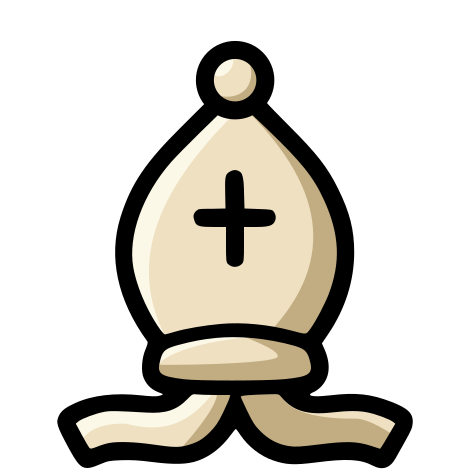
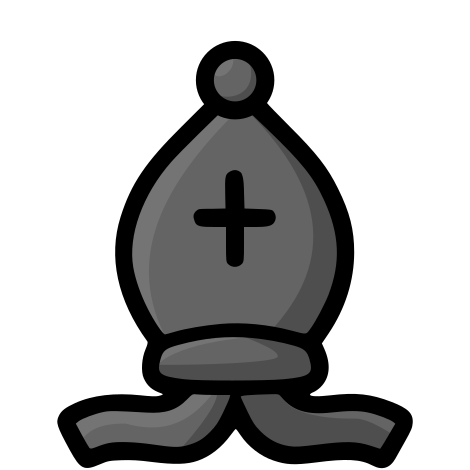
دفاع مجاری با 1.e4 e5 2.Nf3 Nc6 3.Bc4 Be7 آغاز میشود. سیاه فیل f8 را به خانهای امن توسعه میدهد و را آماده میکند، حرکت ویژهای که شاه و یک رخ را برای بهبود امنیت شاه جابهجا میکند. برخلاف پاسخهای فعالتر، 3...Be7 فوراً فیل سفید یا مرکز را به چالش نمیکشد.
فایده عملی، استحکام است. فیل دیگر راه شاه را نمیبندد، به کنترل g5 کمک میکند و بعضی تاکتیکهای سریع علیه f7 را کاهش میدهد. هزینه آن پوزیسیونی بستهتر است. تنگ یعنی مهرهها خانههای فعال کمتری دارند و شاید برای یافتن مسیرهای مفید به چند حرکت نیاز داشته باشند.
سفید معمولاً از این آزادی برای اشغال بخش بیشتری از مرکز، اغلب با d4، و توسعه بدون پاسخ دادن به تهدیدهای زودهنگام استفاده میکند. سیاه میخواهد توسعه را کامل کند، از e5 پشتیبانی کند و بعدتر یک گشایش پیادهای برگزیند، یعنی پیشروی پیادهای که پیادههای حریف را به چالش میکشد و مهرهها را آزاد میکند. هدف دفاع بردن فوری ماده نیست. هدف رسیدن به پوزیسیونی باثبات است که فضای سفید به حمله تبدیل نشود.
بدهبستان این انتخاب
- خطر تاکتیکی فوری کمتر برای سیاه.
- فعالیت و ضدبازی زودهنگام کمتر نسبت به شاخههای تندتر.
- نیاز بیشتر به یافتن راهی برای آزاد کردن پوزیسیون در ادامه.
ایس اوپننگ دی مشق کرو









ایس اوپننگ دی پوزیشن توں کھیڈو۔ تُسی اپنی سائیڈ تے مشکل دا درجہ چُن سکدے او۔
کاربرد و بافت
خانهها با حرف ستون و شماره ردیف مشخص میشوند. در نمادگذاری نمونه، N یعنی اسب، B فیل، Q وزیر و K شاه. حرکت بدون حرف مهره، حرکت پیاده است. x گرفتن را نشان میدهد، + نشاندهنده کیش است و سهنقطه پیش از حرکت یعنی نوبت سیاه است.
اشتباههای رایج
محکم بودن خودبهخود به معنای برابر بودن نیست
ساختار امن است، اما سیاه هنوز باید کمبود فضا و فعالیت را حل کند.
منابع
- 1.Italian Game: Hungarian Defense, Lichess
- 2.Italian Game: Hungarian Defense, Chess.com