
'%3e%3cpath%20d='M21.97,16.783C18.592,14.338%2014.595,14.954%2012,17.1C11.344,16.628%2010.011,15.91%209.895,15.621C9.48,14.59%207.341,14.568%207.01,14.882C6.812,15.07%206.83,15.344%206.553,15.331C4.832,15.252%203.708,15.794%201.993,16.774'%20style='fill:none;fill-rule:nonzero;stroke:%2310b981;stroke-width:1.14px;'/%3e%3c/g%3e%3cg%20transform='matrix(1,0,0,2.04091,-14.1682,-22.4853)'%3e%3cpath%20d='M15.074,18.836L15.074,17.423'%20style='fill:none;stroke:%2310b981;stroke-width:0.62px;stroke-linecap:square;stroke-miterlimit:1.5;'/%3e%3c/g%3e%3cg%20transform='matrix(1,0,0,2.04091,6.00754,-22.5274)'%3e%3cpath%20d='M15.074,18.863L15.074,17.423'%20style='fill:none;stroke:%2310b981;stroke-width:0.62px;stroke-linecap:square;stroke-miterlimit:1.5;'/%3e%3c/g%3e%3cg%20transform='matrix(1,0,0,1.10679,-1,-3.20585)'%3e%3cpath%20d='M2,5.5C5.5,3.5%209.5,4%2012,5.8C14.5,4%2018.5,3.5%2022,5.5L22,16.8C18.5,14.8%2014.5,15.3%2012,17.1C9.5,15.3%205.5,14.8%202,16.8L2,5.5Z'%20style='fill:none;fill-rule:nonzero;stroke:%236ee7b7;stroke-width:1.14px;'/%3e%3c/g%3e%3cg%20transform='matrix(1,0,0,1.026,-1,-2.90714)'%3e%3cpath%20d='M12,5.8L12,17.1'%20style='fill:none;fill-rule:nonzero;stroke:%236ee7b7;stroke-width:1.2px;'/%3e%3c/g%3e%3cg%20transform='matrix(0.868549,0,0,1.12022,1.58071,-2.86274)'%3e%3cpath%20d='M8,15.6L8,19.8L6.5,18.5L5,19.8L5,15.6'%20style='fill:none;fill-rule:nonzero;stroke:%236ee7b7;stroke-width:1.2px;'/%3e%3c/g%3e%3cg%20transform='matrix(1,0,0,1,-1,-3.75633)'%3e%3cpath%20d='M5,9C6.467,8.4%207.967,8.5%209.5,9.3'%20style='fill:none;fill-rule:nonzero;stroke:%236ee7b7;stroke-width:1.2px;'/%3e%3c/g%3e%3cg%20transform='matrix(1,0,0,1,-1,-3.75633)'%3e%3cpath%20d='M5,12C6.333,11.467%208.119,11.635%209.119,12.235'%20style='fill:none;fill-rule:nonzero;stroke:%236ee7b7;stroke-width:1.2px;'/%3e%3c/g%3e%3cg%20transform='matrix(0.988254,-0.152823,0.152823,0.988254,6.85356,-2.53705)'%3e%3cpath%20d='M5,12C6.333,11.467%208.119,11.635%209.119,12.235'%20style='fill:none;fill-rule:nonzero;stroke:%236ee7b7;stroke-width:1.2px;'/%3e%3c/g%3e%3cg%20transform='matrix(1,0,0,1,-1,-3.75633)'%3e%3cpath%20d='M14.5,9.3C16.033,8.5%2017.533,8.4%2019,9'%20style='fill:none;fill-rule:nonzero;stroke:%236ee7b7;stroke-width:1.2px;'/%3e%3c/g%3e%3cg%20transform='matrix(1,0,0,1,-1,2.24367)'%3e%3cpath%20d='M5,9C6.467,8.4%207.967,8.5%209.5,9.3'%20style='fill:none;fill-rule:nonzero;stroke:%236ee7b7;stroke-width:1.2px;'/%3e%3c/g%3e%3cg%20transform='matrix(0.999988,0.00496871,-0.00496871,0.999988,-0.955288,2.16055)'%3e%3cpath%20d='M14.5,9.3C16.033,8.5%2017.533,8.4%2019,9'%20style='fill:none;fill-rule:nonzero;stroke:%236ee7b7;stroke-width:1.2px;'/%3e%3c/g%3e%3c/svg%3e)
توضیح
نظریهٔ قالبها توضیح میدهد یک خبره چگونه وضعیتهای شطرنجی دارای اطلاعات بسیار را به خاطر میسپارد و مدیریت میکند. توضیحی قدیمیتر بر بستهها تأکید داشت، یعنی گروههای آشنای مهرهها و رابطهها که حافظه آنها را یک واحد معنادار میبیند. برای نمونه، چند مهرهٔ هماهنگ پیرامون یک شاه ممکن است بهجای اشیایی جداگانه، بهصورت یک الگو شناخته شوند.
این نظریه پیشنهاد میکند تجربهٔ گسترده میتواند برخی از این گروهها را به ساختارهای بزرگتر حافظهٔ بلندمدت به نام قالب تبدیل کند. یک قالب سازمانی پایدار را حفظ میکند و همزمان جزئیات متغیر وضعیت کنونی را میپذیرد. بنابراین خبره میتواند یک آرایش کلی را بشناسد و نیز ثبت کند کدام مهرههای مشخص خانههای خاصی را اشغال کردهاند یا نقشهای معینی دارند.
هستهای پایدار با متغیرهای A
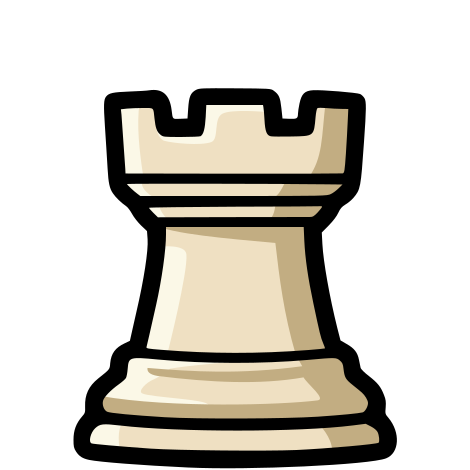




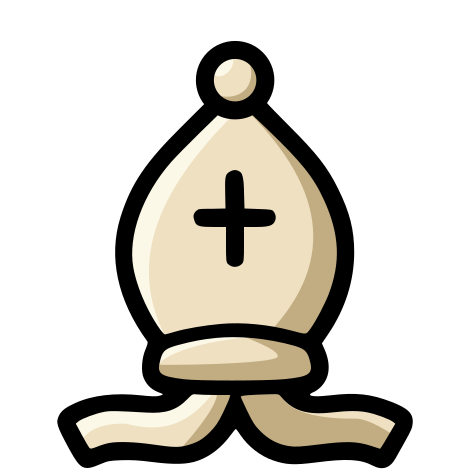
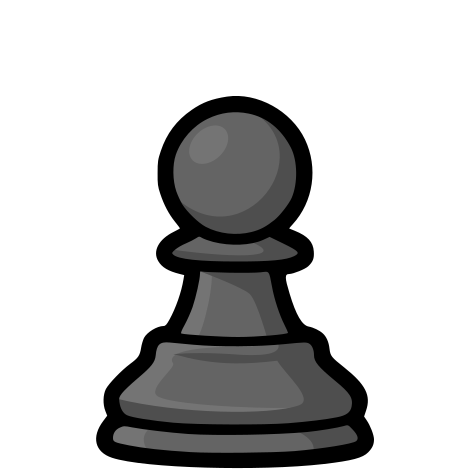


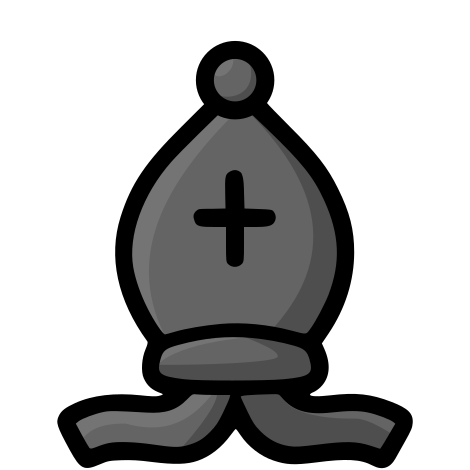

سازماندهی ثابت میماند
هستهٔ قابل مشاهده شاهها را در و ، رخها را در و ، فیلهای فیانکتوشده را در و و همان ساختارهای پیادهای مرکز و جناح شاه ثابت نگه میدارد. در این واریانت، وزیرها و اسبها خانههای ، ، و را اشغال میکنند. صفحه سازماندهی رابطهای سازگار با نظریه را نشان میدهد، نه ساختاری ذهنی که مستقیماً دیده شود.
این نظریه چه چیزی را توضیح میدهد و چه چیزی را نه
این مدل کمک میکند توضیح دهیم چرا حافظهٔ شطرنجی خبره بهویژه برای وضعیتهایی خوب کار میکند که رابطههای معنادار شطرنجی دارند. ادعا نمیکند خبرگان حافظهٔ عکاسانه دارند یا آرایش دلخواهی از مهرهها را با همان آسانی به خاطر میسپارند. دانش انباشته ساختاری فراهم میکند که وضعیت را قابل فهم میسازد.
نظریهٔ قالبها توضیحی علمی دربارهٔ حافظه است، نه دستور تمرین یا فهرستی از وضعیتهایی که باید حفظ شوند. روشهایی مانند ممکن است با تکرار، شناخت را تقویت کنند، اما خود نظریه نیستند.
کاربرد و بافت
این اصطلاح به روانشناسی خبرگی و حافظه تعلق دارد و شطرنج یکی از کاربردهای مرکزی آن است.
اشتباههای رایج
حافظهٔ عکاسانه
برتری خبره به رابطههای آموختهشدهٔ شطرنجی وابسته است. این برتری به معنای نسخهبرداری بصری دقیق و همگانی از هر وضعیت نیست.
قالب گشایشی
در اینجا قالب به معنای ساختار حافظهای پیشنهادی در یک نظریهٔ روانشناختی است، نه آرایش ثابتی از مهرهها برای بازی.
منابع
- 1.Templates in chess memory: A mechanism for recalling several boards, Elsevier
- 2.Expert chess memory: Revisiting the chunking hypothesis, Psychology Press / Taylor & Francis